

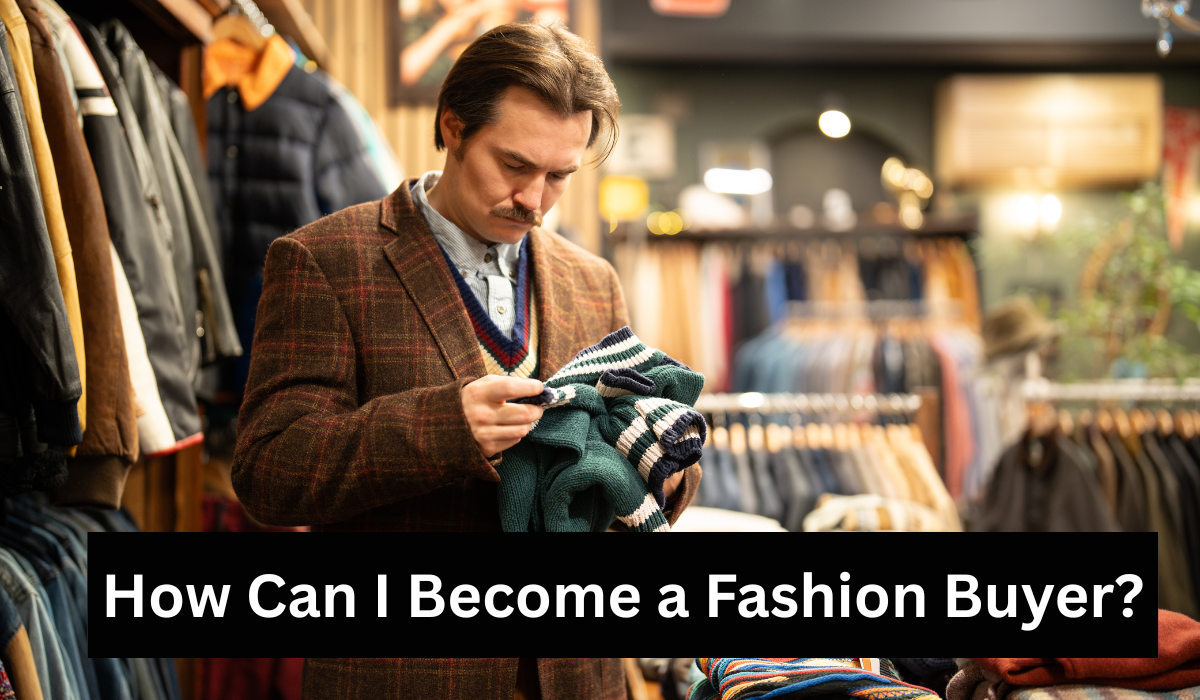
The fashion industry offers many exciting careers, and one of the most influential roles behind the scenes is a fashion buyer. If you have a strong interest in trends, retail strategy, and consumer behavior, you may have wondered: how can I become a fashion buyer?
A fashion buyer is responsible for selecting the clothing, accessories, and products that stores sell to customers. Their decisions shape what appears on store shelves and online marketplaces. Because of this responsibility, the role requires a combination of creativity, analytical thinking, and deep knowledge of the fashion market.
What Does a Fashion Buyer Do?
A fashion buyer works for retail stores, fashion brands, or e-commerce companies. Their main responsibility is to choose which products a store will purchase and sell.
Key responsibilities include:
- Researching fashion trends and consumer demand
- Meeting with designers and suppliers
- Selecting clothing and accessories for upcoming seasons
- Negotiating prices and contracts with manufacturers
- Monitoring sales performance
- Adjusting product selections based on market data
In simple terms, fashion buyers connect designers, brands, and customers.
Why Fashion Buyers Are Important in the Fashion Industry
Fashion buyers influence what consumers see in stores. Their decisions determine which styles become popular and which products sell successfully.
Retailers depend on buyers to:
- Predict upcoming fashion trends
- Maintain profitable inventory levels
- Understand customer preferences
- Balance creativity with business strategy
Without skilled buyers, retailers may purchase products that fail to sell, which can lead to major financial losses.
Skills Required to Become a Fashion Buyer
If you want to become a fashion buyer, developing the right skills is essential. The role requires both creative and business abilities.
1. Trend Awareness
Fashion buyers must stay updated with global fashion trends, seasonal collections, and consumer style preferences.
They often study:
- Fashion shows
- Street style trends
- Social media fashion movements
- Retail performance data
2. Analytical Thinking
Although fashion buying involves creativity, it is also highly data-driven.
Buyers analyze:
- Sales reports
- Inventory turnover rates
- Customer demographics
- Market demand
Strong analytical skills help buyers make profitable decisions.
3. Negotiation Skills
Fashion buyers negotiate with suppliers and designers to secure the best prices and product quantities. Good negotiation skills can increase a company’s profit margins.
4. Communication Skills
Buyers regularly communicate with:
- Designers
- Suppliers
- Merchandising teams
- Marketing departments
Clear communication ensures smooth coordination across departments.
5. Decision-Making Ability
A fashion buyer must make confident decisions about which products will succeed in the market.
Education Needed to Become a Fashion Buyer
Although it is possible to enter the field through experience, most fashion buyers start with a relevant degree.
Common study fields include:
- Fashion merchandising
- Fashion business management
- Retail management
- Marketing
- Business administration
These programs teach important concepts such as retail strategy, fashion forecasting, and consumer behavior.
Some universities also offer specialized fashion merchandising degrees designed specifically for careers in buying and retail management.
Step-by-Step Guide: How to Become a Fashion Buyer
Becoming a fashion buyer usually requires several stages of education, experience, and career growth.
Step 1: Learn About the Fashion Industry
Start by understanding how the fashion retail industry works. Study topics such as:
- Fashion supply chains
- Seasonal collections
- Retail marketing strategies
- Consumer purchasing behavior
Reading fashion industry publications and trend reports can help build foundational knowledge.
Step 2: Get a Relevant Degree
Many employers prefer candidates with degrees in fashion merchandising or retail management.
During your studies, you will learn:
- Fashion forecasting
- Retail planning
- Product development
- Brand management
These subjects prepare students for the practical aspects of buying roles.
Step 3: Gain Retail Experience
Hands-on experience is extremely valuable in the fashion industry.
Common entry-level jobs include:
- Retail sales associate
- Visual merchandiser
- merchandising assistant
- retail inventory coordinator
Working in retail helps you understand customer behavior and product demand.
Step 4: Apply for Internships
Internships provide real-world experience with fashion brands or retail companies.
As an intern, you may assist buyers by:
- Tracking inventory data
- Researching fashion trends
- Preparing product reports
- Coordinating with suppliers
This experience is crucial for building industry connections.
Step 5: Start as a Buying Assistant
Most fashion buyers begin their careers as buying assistants or junior buyers.
Responsibilities may include:
- Supporting senior buyers
- Managing product databases
- Preparing sales reports
- Assisting with vendor communication
This stage allows you to learn the practical decision-making process behind buying strategies.
Step 6: Advance to Fashion Buyer
After gaining several years of experience, professionals may advance to full fashion buyer positions.
At this stage, buyers typically:
- Manage product categories
- Select seasonal collections
- Control purchasing budgets
- Analyze market performance
With experience, some buyers eventually become senior buyers, buying managers, or retail directors.
Where Fashion Buyers Work
Fashion buyers can work in various sectors of the fashion industry.
Common workplaces include:
- Department stores
- Online fashion retailers
- Luxury fashion brands
- Fast-fashion companies
- Boutique clothing stores
E-commerce companies have also increased demand for digital-focused buyers who understand online shopping behavior.
Salary and Career Outlook
Fashion buyer salaries vary depending on experience, location, and employer size.
Typical career levels include:
| Position | Experience Level |
|---|---|
| Buying Assistant | Entry level |
| Junior Buyer | 2–4 years |
| Fashion Buyer | Mid-level |
| Senior Buyer | Experienced |
| Buying Manager | Leadership role |
Experienced buyers working for major retailers often earn significantly higher salaries due to the financial impact of their decisions.
Tips to Succeed as a Fashion Buyer
If you want to build a successful career as a fashion buyer, consider these strategies:
- Stay updated on global fashion trends
- Study consumer behavior patterns
- Develop strong networking connections
- Learn retail analytics and data tools
- Understand fashion sustainability trends
Combining creative vision with strong business insight is key to success.
The Future of Fashion Buying
The role of fashion buyers continues to evolve as technology changes the retail landscape.
Modern buyers now rely on:
- Data analytics
- AI-based trend forecasting
- consumer purchasing data
- online retail performance metrics
This shift means that future fashion buyers must balance fashion knowledge with digital retail expertise.
FAQ’s
What qualifications do you need to become a fashion buyer?
Most fashion buyers have degrees in fashion merchandising, retail management, marketing, or business. However, practical retail experience and internships are also extremely important.
How long does it take to become a fashion buyer?
It usually takes 3 to 6 years to progress from entry-level retail roles or buying assistant positions to a full fashion buyer role.
Do fashion buyers travel for work?
Yes. Fashion buyers often travel to attend fashion shows, visit suppliers, and explore international fashion markets.
Is fashion buying a competitive career?
Yes. Fashion buying is a competitive field because many people want to work in the fashion industry. Strong experience, education, and networking can improve career opportunities.
What is the difference between a fashion buyer and a merchandiser?
A fashion buyer selects which products a retailer will purchase, while a merchandiser focuses on how those products are displayed, marketed, and sold.