

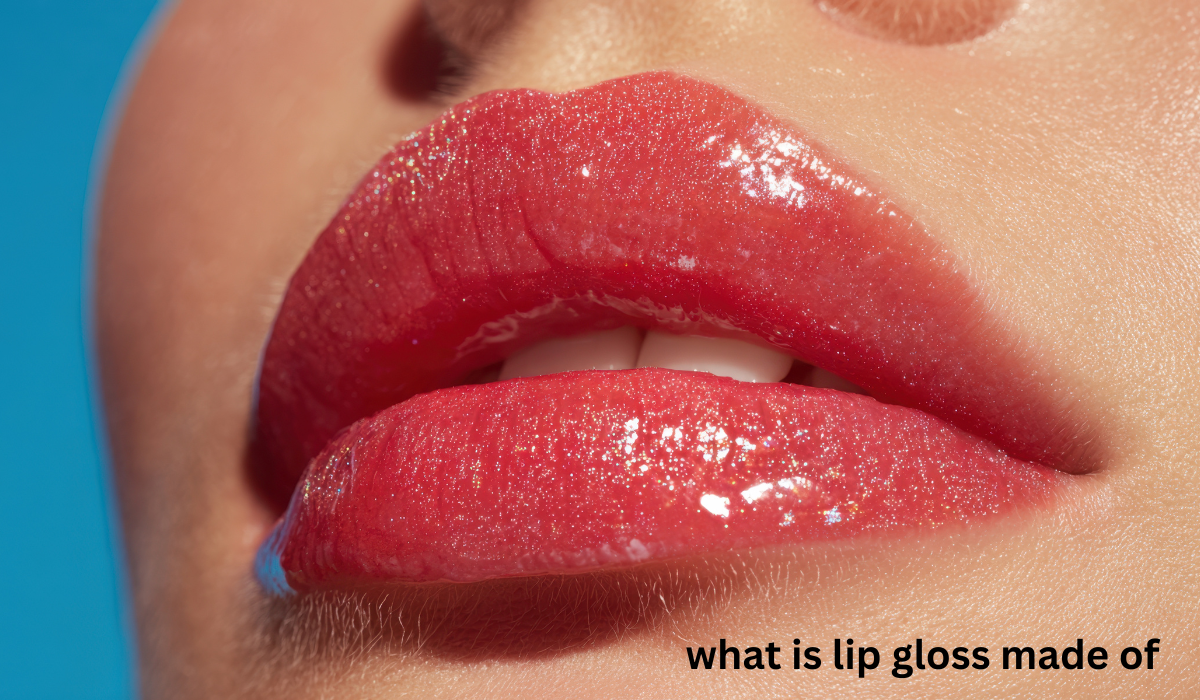
Have you ever wondered what gives your favorite lip gloss its perfect shine, color, and feel? Lip gloss is more than just a pretty cosmetic—it’s a carefully crafted blend of science and nature designed to enhance your lips. Whether you prefer a clear, high-shine gloss, a hint of tint, or a plumping formula, the magic lies in its ingredients.
Also Read: Is Lipstick A Liquid TSA
The Core Ingredients: Building Blocks of Lip Gloss
At its heart, lip gloss is a mixture designed to provide shine, moisture, and sometimes color. Unlike lipstick, it typically contains less wax and pigment, resulting in its characteristic translucency and glossy finish. The exact formula can vary widely, but most lip glosses are built from a few key categories of ingredients.
The table below breaks down the essential components and their roles in your lip gloss.
| Ingredient Category | Primary Function | Common Examples |
|---|---|---|
| Oils & Emollients | Provide glossy shine, smooth application, and moisturizing feel. They prevent water loss and keep lips soft. | Jojoba oil, castor oil, sunflower seed oil, sweet almond oil, coconut oil, mineral oils, polybutene |
| Waxes & Butters | Give the formula structure and thickness. They help the gloss stay on lips longer and lock in moisture. | Beeswax, candelilla wax, carnauba wax, shea butter, cocoa butter |
| Pigments & Colorants | Add color, from sheer tints to opaque shades. | Iron oxides, titanium dioxide, mica, beetroot powder, fruit extracts |
| Additional Additives | Provide flavor, scent, plumping effects, or preservation. | Essential oils, vitamins, hyaluronic acid, fragrances, preservatives |
Spotlight on Key Components
Polybutene and Hydrogenated Polyisobutene
These synthetic ingredients create a smooth, non-sticky, long-lasting film, giving lip gloss its signature slippery texture and high shine.
Natural Oils and Butters
Clean and organic beauty brands often use jojoba oil, shea butter, and sunflower seed oil. These ingredients are rich in fatty acids and vitamins that nourish and soothe lips while providing shine.
Waxes
Beeswax and plant-based waxes like candelilla help solidify the formula and improve adhesion, allowing the gloss to stay on lips longer.
Comparing Different Types of Lip Gloss Formulas
Not all lip glosses are created equal. Ingredient balance changes to create different finishes, textures, and benefits.
Conventional Gloss
Uses polybutene, mineral oil, or petrolatum for high shine and durability. Synthetic polymers help control texture and wear time.
Organic or Natural Gloss
Relies on plant-based oils and waxes such as castor oil, jojoba oil, shea butter, and candelilla wax. Color typically comes from mineral pigments or plant extracts.
Plumping Gloss
Includes ingredients like cinnamon oil, menthol, or peppermint that temporarily increase blood flow, making lips appear fuller.
DIY Lip Gloss
Homemade versions usually combine a wax, a carrier oil, and optional natural color or flavoring.
Safety, Sensitivities, and What to Look For
Understanding ingredients helps you make safer cosmetic choices.
Metal Content
Studies show that trace metals may appear in lip products due to pigment impurities. While exposure levels are generally considered low, ongoing research continues to evaluate long-term safety.
Allergens and Irritants
Fragrances, flavorings, and preservatives may cause reactions. Those with gluten sensitivities should check for wheat-derived ingredients such as wheat germ oil.
Hygiene
Lip gloss applicators can collect bacteria. Avoid sharing products and replace glosses regularly.
“Cosmetic chemists explain that lip gloss is primarily made from oils, emollients, and film-forming agents that reflect light. Dermatologists often recommend formulas with moisturizing ingredients like vitamin E and natural oils to protect the lips.”
How to Be an Informed Consumer
- Read ingredient labels carefully, as ingredients are listed by concentration
- Identify your priorities, such as hydration, shine, or natural formulation
- Patch test new products if you have sensitive skin
- Look for verified certifications when claims like organic or gluten-free are important to you
From its early use in film makeup to the wide variety available today, lip gloss remains a beauty staple by balancing shine, comfort, and color. By understanding what’s inside the tube, you can confidently choose a lip gloss that suits your style, needs, and values.