

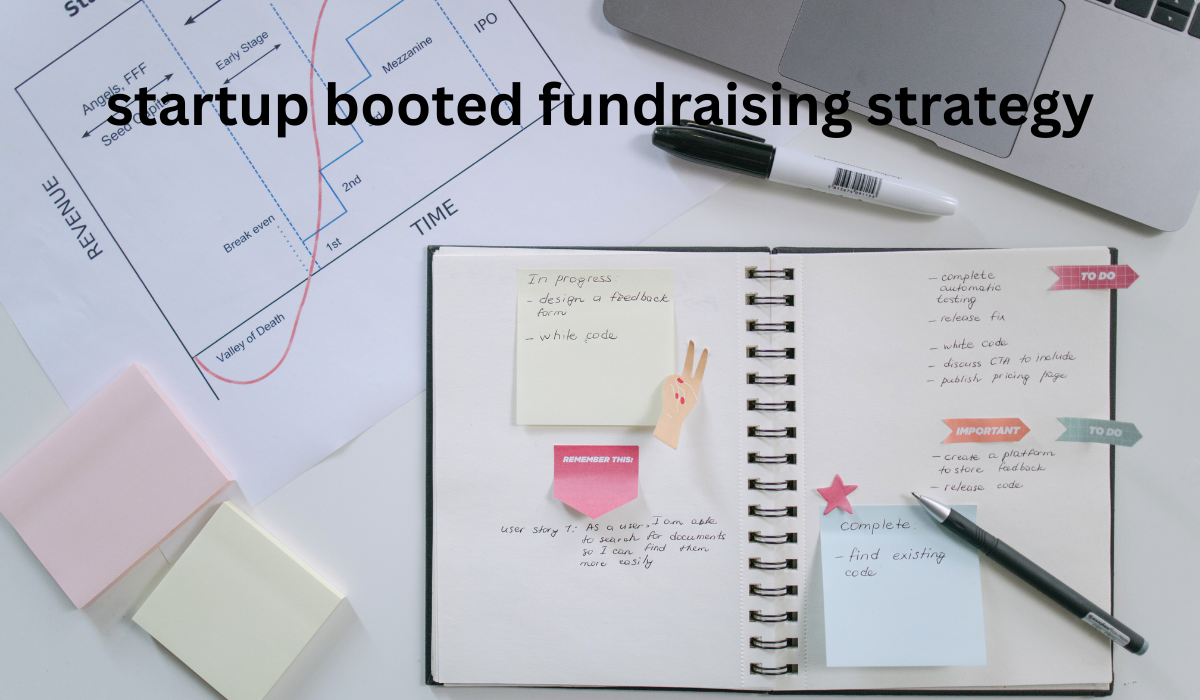
What Is Bootstrapping? The Art of Self-Funded Growth
Bootstrapping represents one of the most pure and challenging forms of entrepreneurship. At its core, it is the strategic decision to start and grow a business using personal finances, founder effort, and internal cash flow while intentionally avoiding or delaying external investment from venture capitalists or angel investors. This path demands extreme resourcefulness—”pulling oneself up by the bootstraps”—and it shapes every aspect of a company, from its frugal culture to its focus on immediate profitability. While venture capital attracts headlines, bootstrapping builds resilient, customer-obsessed companies that grow on their own terms.
The Bootstrap Mindset: Why Founders Choose This Path
The decision to bootstrap is foundational. It’s not merely a fundraising method; it’s a comprehensive philosophy that prioritizes founder control, equity preservation, and sustainable growth. This mindset creates a distinct operational reality where every dollar spent is scrutinized, and every hire is deferred until revenue demands it. Companies like Mailchimp and Basecamp, which famously bootstrapped to billion-dollar valuations, exemplify the profound success possible on this path.
Key Motivations for Bootstrapping:
- Retain Full Equity & Control: Avoid dilution and external pressure on the company’s direction.
- Build a Customer-Funded Engine: Force the business model to be validated by revenue from day one.
- Cultivate a Culture of Frugality & Efficiency: Maximize the impact of every resource.
- Achieve Strategic Independence: Grow at a natural, sustainable pace without artificial milestones.
The Bootstrapper’s Playbook: Core Strategies and Funding Mechanics
Executing a bootstrapped strategy requires mastering specific financial and operational disciplines. The journey typically follows a progressive sequence of funding sources and growth tactics.
Phase 1: The Foundation (Pre-Revenue)
The initial capital almost always comes from the founders’ personal savings, sweat equity (unpaid work), and potentially friends and family loans. The primary goal is to achieve a minimum viable product (MVP) with minimal expense. This phase is defined by extreme cost minimization: using free software tools, working from home, and handling all roles personally.
Phase 2: The Revenue Engine (Early Growth)
The critical transition is becoming revenue-funded. This is achieved through customer pre-sales, consulting/services work, or launching a paid MVP. The core discipline here is meticulous cash flow management—the lifeblood of any bootstrapped business. Founders must become experts at forecasting, accelerating receivables, and managing payables to extend their financial runway. All early profits are reinvested directly back into the business to fuel organic growth.
Phase 3: Strategic Scaling (Sustainable Growth)
With a proven revenue model, bootstrappers scale through product-led growth, word-of-mouth marketing, and strategic partnerships. Funding for larger initiatives may come from revenue financing or venture debt—capital sources that do not require giving up equity. The focus remains on high-margin offerings and premium pricing to ensure each new customer significantly boosts profitability.
Comparative Analysis: Bootstrapping vs. Venture Capital
Understanding when to bootstrap and when to seek investment is crucial. The following table outlines the fundamental differences:
| Strategic Dimension | Bootstrapped Path | Venture-Backed Path |
|---|---|---|
| Core Objective | Profitability & Sustainable Growth | Rapid Scale & Market Dominance |
| Growth Speed | Organic, Often Slower | Accelerated, “Blitzscaling” |
| Decision Authority | Solely with Founders | Shared with Investor Board |
| Primary Funding Source | Customer Revenue & Reinvested Profit | Injected Investor Capital |
| Key Metrics | Net Profit, Cash Flow, Customer Lifetime Value (LTV) | Monthly Recurring Revenue (MRR), Growth Rate, Burn Rate |
| Cultural Focus | Frugality, Efficiency, Customer Retention | Aggressive Expansion, Market Capture, Hiring |
| Exit Pressure | Minimal; Flexible Timeline | High; Typically 5-10 Year Horizon |
Common Challenges and Strategic Pitfalls to Avoid
The bootstrap path is rewarding but fraught with challenges. Scalability constraints are real; without large capital injections, capturing market share from funded competitors can be difficult. Founder burnout is a severe risk due to prolonged periods of excessive workload and financial stress. There’s also the risk of becoming a “lifestyle business” that provides a comfortable income but never achieves significant market impact, which may or may not align with the founder’s original vision.
Key Pitfalls:
- Underestimating Personal Financial Runway: Running out of personal funds before the business generates cash flow.
- Hiring Too Early: Adding fixed salary costs before the revenue reliably supports them.
- Fear of Charging: Not pricing the product or service at a level that truly reflects its value and ensures healthy margins.
- Refusing All Capital Dogmatically: Sometimes, a small strategic investment at the right time can unlock growth that would otherwise take years.
The Long-Term Vision: Exits and Legacy
A bootstrapped company’s endgame is uniquely flexible. Many founders choose to build a profitable, enduring private company with no pressure to sell. This “forever business” provides lasting independence and wealth. When an exit does occur, bootstrapped companies are highly attractive acquisition targets because they are profitable, efficient, and demonstrate solid unit economics. Founders can also choose to take strategic growth capital later, but from a position of immense strength—negotiating favorable terms because they don’t need the money to survive.
Conclusion: Is Bootstrapping Right for You?
Bootstrapping is more than a fundraising strategy; it’s a testament to entrepreneurial endurance and conviction. It is ideal for founders who prioritize control, are willing to grow at a sustainable pace, and have a business model capable of generating early revenue. It demands resilience, financial acumen, and an unwavering focus on customer value.