

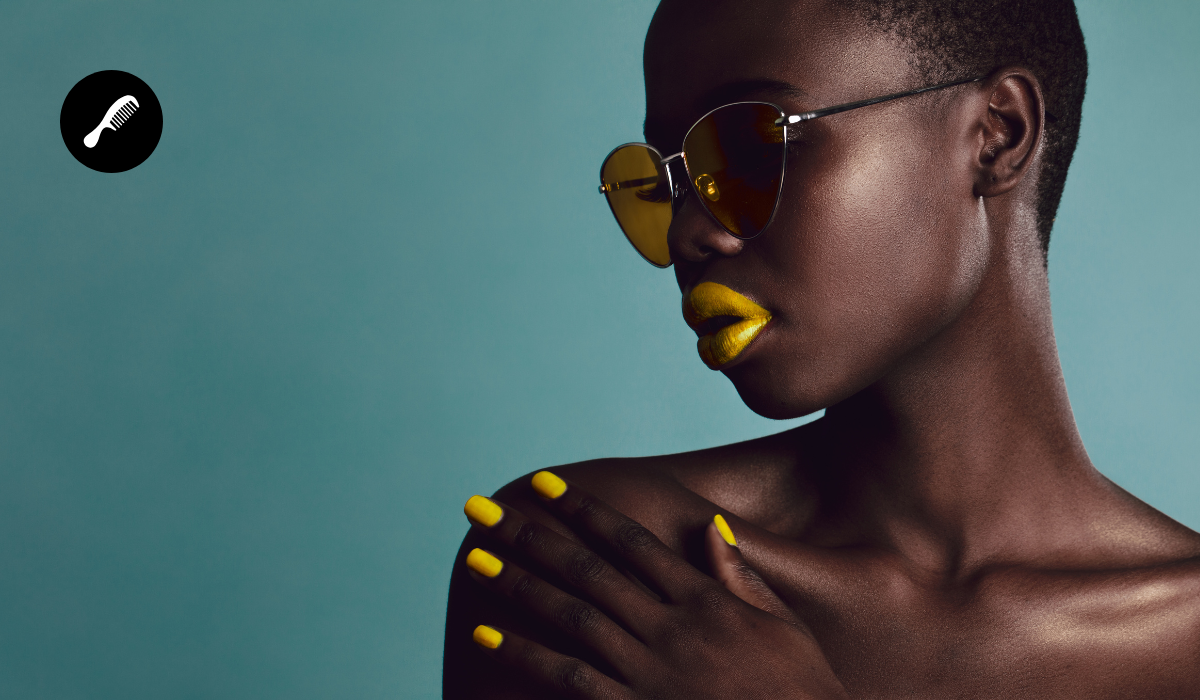
Low maintenance short natural haircuts for Black females are styles that embrace your natural texture while requiring minimal daily styling, fewer products, and less manipulation . These cuts—like TWA, tapered afros, and short curly pixies—celebrate your coils while saving time and protecting hair health. Whether you’ve just done the big chop or you’re ready for a fresh start, these styles prove that easy can still be elegant .
What Makes a Natural Haircut Low Maintenance?
A low maintenance haircut works with your texture, not against it. You don’t need heat styling, complex stretching techniques, or hours of detangling to make it look good .
These cuts thrive on simplicity. A quick refresh with water, a little leave-in conditioner, and maybe some curl cream is often all you need .
Less length means less work. Short hair requires less product, dries faster, and tangles far less than longer lengths .
Low maintenance doesn’t mean no maintenance. You’ll still need regular trims, consistent moisturizing, and overnight protection—just on a simpler scale .
The goal is style with freedom. These cuts let you wake up, fluff, and go without sacrificing looking polished .
What Are the Most Popular Low Maintenance Short Natural Cuts?
The TWA (Teeny Weeny Afro)
The TWA is the ultimate short natural starting point. It’s simply your natural hair cut close to the scalp, usually between half an inch to two inches long .
TWAs are effortlessly chic. You can wear it as-is for a minimalist look, define it with finger coils, or add a head wrap for flair .
This cut showcases your texture beautifully. Without the weight of longer hair, your natural curl pattern takes center stage .
TWAs are incredibly versatile for length. As it grows, you can shape it, color it, or let it evolve into a fuller afro .
The Tapered Cut
A tapered cut features shorter sides and back with more length on top. This creates a shaped, sculpted look that frames your face .
The taper offers endless styling options. You can define the top with coils, wear it curly, or slick it down for a sleek look .
This cut works with almost any face shape. The graduated length draws the eye upward and creates beautiful angles .
Tapers are especially forgiving during growth phases. As your hair grows, the shape remains intentional rather than looking overgrown .
The Short Curly Pixie
The curly pixie combines classic pixie structure with natural texture. It’s cropped close but leaves enough length for your curls to peek through .
Pixies read as polished with minimal effort. A little curl cream and strategic finger-combing is usually all you need .
This cut works beautifully with defined curl patterns. Type 3 curls and looser Type 4 coils tend to shine in pixie styles .
Side-swept bangs add softness. If you want extra femininity, ask your stylist to leave a little more length at the front .
The Buzz Cut
The buzz cut is the ultimate low maintenance choice. It’s uniform length all over—often done with clippers and no guard or a very short guard .
Buzz cuts require almost no daily styling. You might moisturize your scalp, but there’s no curl definition needed .
This cut makes a bold statement. It draws full attention to your face, bone structure, and features .
Buzz cuts are liberating. Many women describe the experience as freeing, especially after years of heavy maintenance .
The Frohawk
The frohawk mimics a mohawk using your natural afro texture. The sides are pinned or shaved down, while the center section stands tall .
This style reads edgy but requires minimal effort. Once cut properly, you can simply fluff the center and go .
Frohawks work well with tapered cuts. The natural graduation of a taper creates perfect frohawk foundation .
You can wear it bold or subtle. Pin the sides completely for drama, or let them blend slightly for a softer look .
The Short Twisted Cut
Short twists—like mini twists or two-strand twists—offer defined texture with zero daily work. Install them once and wear them for weeks .
Twists protect your hair while looking polished. They’re considered a protective style that keeps ends tucked away .
Short twists get easier with time. The longer you wear them, the more defined and settled they become .
You can style twisted hair multiple ways. Wear them loose, pull them into a mini puff, or accessorize with cuffs .
How Do You Choose the Right Cut for Your Face Shape?
Oval faces can wear almost any short style. You have the most flexibility—from close buzz cuts to voluminous tapered afros .
Round faces benefit from height on top. Tapered cuts and frohawks elongate the face and create flattering angles .
Square faces soften with curls and texture. Rounded shapes and side-swept elements balance strong jawlines beautifully .
Heart-shaped faces shine with chin-grazing length. Styles with a little extra weight near the jaw balance wider foreheads .
Diamond faces suit sleek, close sides. Tapers that hug the head and volume at the crown highlight cheekbones perfectly .
Your stylist can customize any cut for your face. Bring photos and ask how a style might adapt to your unique features .
What Products Keep Short Natural Hair Low Maintenance?
Leave-in conditioner is non-negotiable. It provides moisture and detangling properties in one step .
A good curl cream defines without crunch. Look for formulas that work with your specific curl type and porosity .
Light oils seal in moisture. Jojoba, grapeseed, or argan oil lock hydration into the hair shaft without weighing it down .
Edge control tames flyaways. A small amount smooths hairlines and adds polish to any style .
Dry shampoo extends styles between washes. It refreshes the scalp and adds volume to flattened areas .
Satin or silk accessories protect overnight. A bonnet, scarf, or pillowcase prevents friction and preserves moisture .
Water is your best friend. A spray bottle for daily refreshing costs nothing and works wonders .
How Do You Maintain Short Natural Hair Daily?
Morning refresh takes minutes. Spritz with water, apply a little leave-in, and style with fingers or a wide-tooth comb .
Night protection prevents morning work. Wrap hair in a satin bonnet or scarf before bed to maintain moisture and definition .
Fluffing adds volume. Use a pick or your fingers to lift the roots and create shape .
Edge smoothing finishes the look. A tiny bit of edge control and a satin scarf for a few minutes lays hairlines perfectly .
Less manipulation means less breakage. The less you touch and restyle, the healthier your hair stays .
How Often Should You Wash Short Natural Hair?
Wash frequency depends on your scalp and lifestyle. Every 5 to 10 days works for most people .
Co-washing between shampoos adds moisture. A conditioner-only wash cleans gently without stripping natural oils .
Short hair dries quickly. You can air dry in under an hour—one of the biggest time-saving benefits .
Regular washing prevents buildup. Product residue shows faster on short hair, so consistent cleansing keeps styles fresh .
How Often Do You Need Trims?
Short natural cuts need trims every 4 to 8 weeks. This frequency maintains the shape and prevents uneven growth .
Tapered styles require more frequent shaping. The graduated angles blur faster than uniform lengths .
Signs you need a trim include: shape loss, split ends, or difficulty styling .
Regular trims actually help growth. Healthy ends prevent breakage that would otherwise shorten your length over time .
Can You Style Short Natural Hair Without Heat?
Absolutely—and that’s the point of low maintenance. Finger coiling, twist-outs, and wash-and-go’s all use your natural texture .
Finger coils create defined, uniform curls. Section damp hair, twist small strands around your finger, and let air dry .
The sponge curl method takes seconds. A curl sponge rubbed over dry hair creates instant defined coils .
Twist-outs work on shorter lengths too. Small two-strand twists set overnight unravel into defined texture .
Bantu knots set into heatless curls. Section hair into small knots, sleep on them, and release for volume .
Accessories replace heat styling. Head wraps, clips, and jewelry add variety without damage .
What Protective Styles Work With Short Hair?
Mini twists protect ends while looking polished. Install them on damp hair and wear for up to two weeks .
Flat twists lay close to the scalp. They’re elegant, protective, and work beautifully on shorter lengths .
Cornrows offer long-lasting style. Small or jumbo, they keep hair tucked away with minimal daily effort .
Bantu knots double as style and set. Wear them as a look, or unravel later for defined curls .
Wigs and extensions give breaks. Short natural hair tucks easily under wigs for complete styling rest .
Protective doesn’t mean boring. These styles all offer room for creativity with patterns and accessories .
What Are the Benefits of Going Short and Natural?
Time savings top the list. Wash day drops from hours to minutes. Morning styling takes seconds .
Product usage drops dramatically. You’ll use a fraction of the conditioner, cream, and oil you needed with longer hair .
Hair health often improves. Less manipulation, fewer tension styles, and easier moisturizing lead to less breakage .
You learn to love your texture. Without length to hide behind, you embrace your coils exactly as they are .
Confidence often grows. Many women report feeling bolder, freer, and more themselves after cutting short .
Versatility remains. Short hair can still be colored, accessorized, and styled in multiple ways .
Are There Any Challenges With Short Natural Hair?
Regular trims are non-negotiable. You can’t skip appointments without losing your shape .
Growth phases require patience. As your hair lengthens, styles transition—sometimes awkwardly .
Some styles need refreshing. Finger coils and twist-outs may lose definition after a few days .
Salon visits may increase. Maintaining a precise shape often means more frequent professional cuts .
These challenges are manageable. A good stylist and consistent routine solve most issues quickly .
Who Are Style Icons for Short Natural Hair?
Lupita Nyong’o proves short hair is red carpet ready. Her tapered pixie always looks polished and elegant .
Danai Gurira shows edge and softness together. Her short cut frames her face while making a statement .
Cicely Tyson remains the ultimate icon. Her signature short style inspired generations of natural women .
Viola Davis demonstrates timeless sophistication. Her cropped looks always read classic and powerful .
Rihanna has worn every short style flawlessly. From buzz cuts to tapered afros, she shows the range possible .
Solange Knowles embodies artistic freedom. Her ever-changing short styles celebrate creativity and self-expression .
Everyday women inspire just as much. Social media platforms showcase countless real women rocking short cuts beautifully .
How Do You Transition to a Short Natural Cut?
The big chop cuts all relaxed or damaged hair off at once. It’s dramatic, liberating, and starts you fresh .
Transitioning grows out relaxers gradually. You cut inches over months until all processed hair is gone .
Research styles you love before cutting. Save photos of cuts that appeal to your aesthetic and lifestyle .
Find a stylist who specializes in natural hair. They’ll understand texture, face shapes, and maintenance needs .
Prepare for the emotional shift. Cutting significant length brings feelings—excitement, nervousness, freedom—all normal .
Stock up on short hair products. Your longer-hair routine likely won’t work for your new length .
Take photos through your journey. Documenting progress helps you appreciate how far you’ve come .
What’s the Difference Between Tapered, Fade, and Undercut?
A tapered cut gradually shortens from top to bottom. The transition is soft and blended, not stark .
A fade takes hair down to the skin. The transition is shorter and more defined than a standard taper .
An undercut features shaved sides or back with length on top. The contrast between sections is dramatic and intentional .
All three work beautifully on natural hair. Your stylist can recommend which suits your style and texture .
These terms often overlap in conversation. Clear communication with photos helps ensure you get what you want .
Can You Color Short Natural Hair?
Yes—and short hair makes color more affordable. You need less product and fewer sessions than longer hair .
Bold colors pop on short cuts. Blues, reds, purples, and pastels show vividly against cropped lengths .
Highlights add dimension without full commitment. Caramel, honey, or burgundy streaks brighten natural colors .
Color requires extra moisture. Treated hair needs deeper conditioning to stay healthy .
Professional color is worth the investment. A skilled colorist protects your hair’s integrity while achieving your vision .
What Accessories Work With Short Natural Hair?
Head wraps add instant elegance. They protect hair while creating polished, put-together looks .
Hair cuffs decorate twists and coils. Small metallic cuffs slide onto individual strands for subtle sparkle .
Decorative pins and clips secure sections while adding visual interest .
Beaded ends dress up twists and braids beautifully .
Silk scarves offer vintage-inspired styling options .
Headbands keep hair back while adding color and pattern .
Accessories let you change looks without changing hair. One cut, endless expressions .
How Does Short Natural Hair Fit Current Trends?
The “lazy girl” trend celebrates low maintenance. Short natural cuts embody this movement perfectly .
Clean girl aesthetic meets natural texture. Polished, moisturized short hair reads fresh and intentional .
Quiet luxury extends to hair too. Well-maintained short cuts signal confidence without shouting .
Bold self-expression remains strong. Color, design lines, and accessories personalize every cut .
Retro influences inspire modern looks. 70s-inspired afros and 90s tapered cuts feel fresh again .
Short natural hair always cycles back. It’s timeless enough to transcend specific trends .
What Should You Tell Your Stylist?
Bring multiple photos of cuts you love. Images communicate better than words alone .
Describe your daily routine honestly. If you won’t style much, say so—your stylist should cut accordingly .
Mention your texture and density. Type 4 coils behave differently than Type 3 curls, even at short lengths .
Discuss maintenance expectations. Ask how often you’ll need trims to maintain the shape .
Talk about your lifestyle. Exercise frequency, job requirements, and styling preferences all matter .
Ask about at-home care. Get product recommendations and styling tips specific to your cut .
Conclusion: Is a Low Maintenance Short Natural Cut Right for You?
Low maintenance short natural haircuts offer freedom, style, and health benefits. From the classic TWA to edgy tapered cuts and versatile short twists, options exist for every taste and texture . These cuts save time, reduce product use, and minimize manipulation while celebrating your natural beauty .
The key lies in choosing a style that fits your face shape, texture, and lifestyle. Work with a skilled stylist who understands natural hair, invest in quality products designed for your needs, and commit to the simple maintenance routine that keeps your cut looking fresh . Regular trims, consistent moisture, and overnight protection form the foundation of success .
Short natural hair isn’t just a style—it’s a statement. It says you value your time, embrace your texture, and refuse to hide behind length . Whether you’re freshly cut or years into your journey, these styles prove that low maintenance and high impact go hand in hand .
Your perfect cut is waiting. With so many options—tapered, twisted, coiled, or buzzed—there’s a low maintenance style that will make you feel confident, beautiful, and free .