
Introduction: Why Acquisitions Are at the Core of Anticimex’s Growth
The Finnish indoor air and pest control market is undergoing transformation. Customers—including municipalities, property companies, and large corporations—increasingly seek comprehensive solutions that combine expertise, reliability, and the latest technology. Meeting this demand requires a broad service portfolio and deep specialized knowledge.
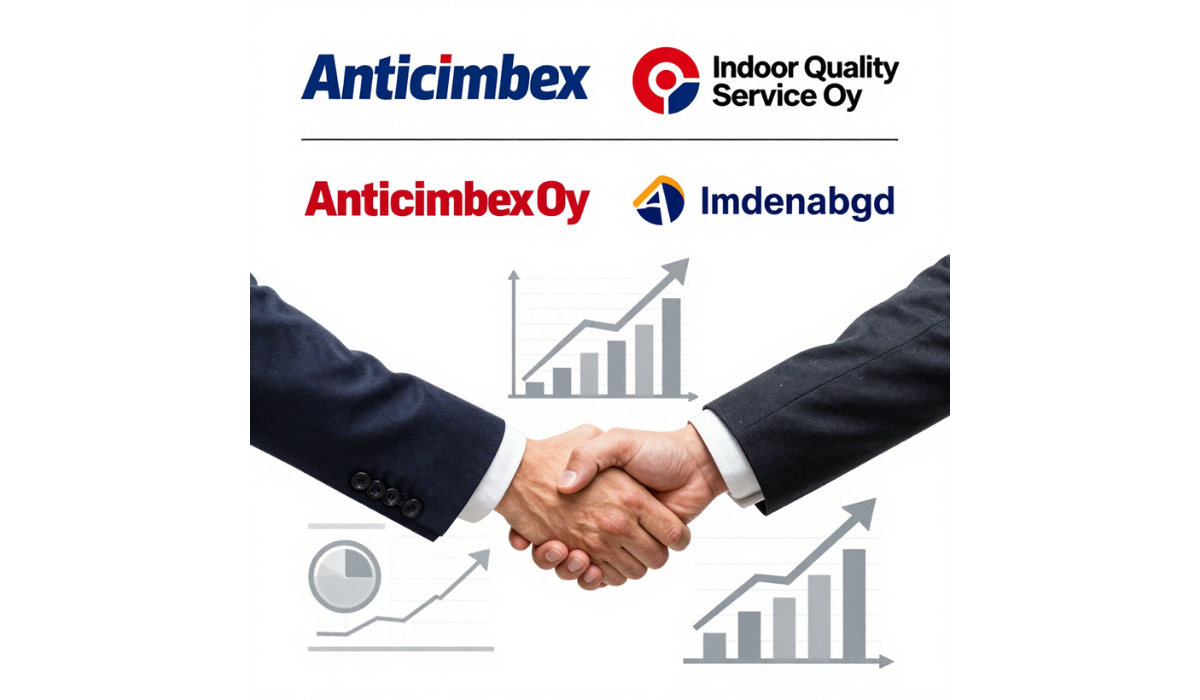
Anticimex Oy has responded to this challenge with a consistent acquisition strategy. Most recently, as a significant strategic move, the company has integrated Indoor Quality Service Oy into its operations. This article examines why acquisitions are a critical growth tool for Anticimex, how the strategy is implemented in practice, and what benefits it delivers to customers .
The Anticimex Group: International Player, Local Focus
Anticimex by the Numbers
Anticimex is a Swedish international service company founded in 1934, operating today in more than 20 countries and employing approximately 11,000 people. The Group’s annual revenue is estimated at $1.3 billion, serving over 3 million customers worldwide .
The company’s business is divided into three main areas:
- Pest control
- Food safety
- Building environment (indoor climate)
The Anticimex Model: Decentralized Structure Enables Agility
At the core of Anticimex’s strategy is the so-called Anticimex Model. Its central principle is that local branches have the best knowledge of their own markets, customers, competitors, and local dynamics .
This is directly reflected in the acquisition strategy:
- Each geographical area is led by a “Platform President”
- Branches operate independently but receive support from the Group headquarters
- Headquarters provides assistance with complex acquisitions, SMART product development, and sharing best practices
This model allows Anticimex to acquire local companies and integrate them into the Group without losing their local knowledge and customer relationships.
Indoor Quality Service Oy: A Strategic Acquisition of Indoor Air Expertise
Who is Indoor Quality Service Oy?
Indoor Quality Service Oy is a Finnish indoor air specialist focused on:
- Microbiological indoor air investigations
- VOC and chemical analyses
- Long-term indoor air monitoring
- Measurements to support remediation planning
The company’s expertise significantly complements Anticimex’s existing service offerings.
Why Was Acquiring Indoor Quality Service Oy Strategically Important?
Indoor air problems are an ongoing topic of discussion in Finland—and unfortunately, often a real problem. Mold in schools, sick buildings, and indoor air symptoms require not only rapid action but also deep expertise.
By integrating Indoor Quality Service Oy into Anticimex, the Group:
- Expanded its service portfolio in indoor air analytics
- Gained access to specialized experts
- Strengthened its ability to offer comprehensive property health solutions
- Grew its customer base significantly within the first year
How Anticimex’s Acquisition Strategy Works in Practice
Step 1: Market Analysis and Prioritization of Target Areas
Anticimex conducts systematic background research before acquisitions. For example, in an expansion project evaluating nine European markets, a two-phase approach was used :
First Module: Basic Market Analysis
- Assessment of the regulatory environment
- Identification of market-specific characteristics
- Evaluation of future trends
- Understanding procurement practices
Second Module: Identification of Acquisition Targets
- Strategic compatibility
- Financial assessment
- Administrative factors
- Prioritization to fit Anticimex’s profile
Step 2: Due Diligence and Negotiations
Once a potential target is identified, a thorough analysis phase begins. This phase evaluates:
- The target company’s financial situation
- Customer contracts and relationships
- Personnel structure and commitment
- Potential liability issues
Step 3: Integration and Cultural Alignment
After the acquisition, the most critical phase begins: integration. Anticimex’s decentralized model facilitates this because acquired companies often retain their local identity and operating methods.
Integration includes:
- Unifying ERP systems
- Staff training and orientation
- Standardizing services to ensure quality
- Sharing best practices within the Group
Technology and Innovation Behind the Acquisitions
Anticimex invests heavily in technology and digital solutions. The Group’s technology stack includes, among others:
- Cloudflare CDN for content delivery
- Sanity for content management
- Google Cloud infrastructure
- React and Tailwind CSS for user interfaces
The most important technological competitive advantage is the Anticimex SMART concept, which utilizes:
- IoT-based sensors
- Digital monitoring
- Preventive analytics
When Anticimex acquires companies, it brings the Group’s technological resources and expertise into their use, significantly improving the acquired companies’ service capabilities.
Customer Benefits from Acquisitions
Anticimex’s acquisition strategy is not just an internal Group matter—it directly translates into better service for customers.
1. More Comprehensive Solutions
Customers no longer need to separately find a pest controller and an indoor air specialist. Anticimex can offer both under one roof.
2. Consistent Quality
The Group’s quality requirements and best practices are disseminated to all acquired companies, ensuring customers receive the same high level of service regardless of where in Finland they operate .
3. Access to the Latest Technology
Local customers benefit from the global Group’s investments in research and development. SMART solutions and digital monitoring become part of local companies’ service offerings .
4. Preventive Approach
Anticimex’s philosophy is based on prevention—not just fixing problems. This is reflected in both pest control and indoor air services. The goal is to minimize risks before they become problems .
Challenges and Risk Management in the Acquisition Strategy
No strategy is entirely without risk. In a broad series of acquisitions like Anticimex’s, several challenges must be considered:
Cultural Integration
Finnish corporate culture may differ from Swedish, and small family businesses operate on a different logic than an international Group. This requires sensitivity and long-term perspective.
Technology Compatibility
Different companies have different IT systems and operating methods. Merging them requires investment and time.
Employee Retention
Keeping key personnel motivated to continue after the acquisition is critical. Anticimex focuses on this through clear communication and involvement.
Financial Risks
Thorough due diligence reduces risks, but no analysis eliminates them entirely .
Future Outlook: What’s Next?
Anticimex’s growth targets are ambitious. The Group’s strategy is built on four main pillars:
- Improving service quality and efficiency
- Developing pricing models
- Expanding SMART services
- Continuous growth through acquisitions
In the Finnish market, this likely means new acquisitions in the coming years. Consolidation is expected, particularly in the areas of indoor air expertise and property health services.
Projects like the market analysis conducted in collaboration with Civitta demonstrate that Anticimex approaches expansion systematically and analytically. Three markets were prioritized, and carefully evaluated acquisition targets were identified in each studied area .
Summary: A Strategy That Delivers Results
The integration of Anticimex Oy and Indoor Quality Service Oy is an excellent example of how a well-planned and executed acquisition strategy can:
- Accelerate strengthening of market position
- Significantly expand service offerings
- Bring new expertise into the organization
- Improve customer experience through comprehensive solutions
Key to success is Anticimex’s decentralized model, which preserves the local knowledge and customer relationships of acquired companies while providing them access to the global Group’s resources, technology, and best practices .
The Finnish indoor air and pest control market will likely continue to consolidate. Anticimex is at the forefront of this development—and customers benefit from better, more comprehensive, and technologically advanced services.
Frequently Asked Questions
1. What is the goal of Anticimex’s acquisition strategy?
Anticimex aims to grow rapidly into new markets, acquire specialized expertise, and expand its service portfolio to meet customer needs .
2. Why did Anticimex acquire Indoor Quality Service Oy?
The goal of the acquisition was to strengthen Anticimex’s indoor air expertise in Finland and expand service offerings to include comprehensive indoor air investigations and analytics.
3. How do acquisitions affect customers?
Customers benefit from a broader service portfolio, consistent quality, and the utilization of the latest technology locally.
4. Do acquired companies retain their own identity?
Thanks to Anticimex’s decentralized model, acquired companies often retain their local identity and operating methods while gaining access to the Group’s resources .
5. What are Anticimex SMART services?
SMART services utilize IoT sensors, digital monitoring, and preventive analytics in pest control and indoor air monitoring.
6. Does Anticimex operate only in Finland?
Anticimex is an international Group operating in more than 20 countries. Anticimex Oy is the Group’s Finnish subsidiary .
7. How are acquisition targets selected?
Targets are selected based on systematic market analysis, strategic compatibility, and financial assessment .
Final Thoughts
The acquisition strategy of Anticimex Oy and Indoor Quality Service Oy demonstrates that strategically executed acquisitions create value—not only for owners, but above all for customers and the entire industry. In Finland, this development means increasingly high-quality and comprehensive services for property maintenance, indoor air quality assurance, and pest control.