

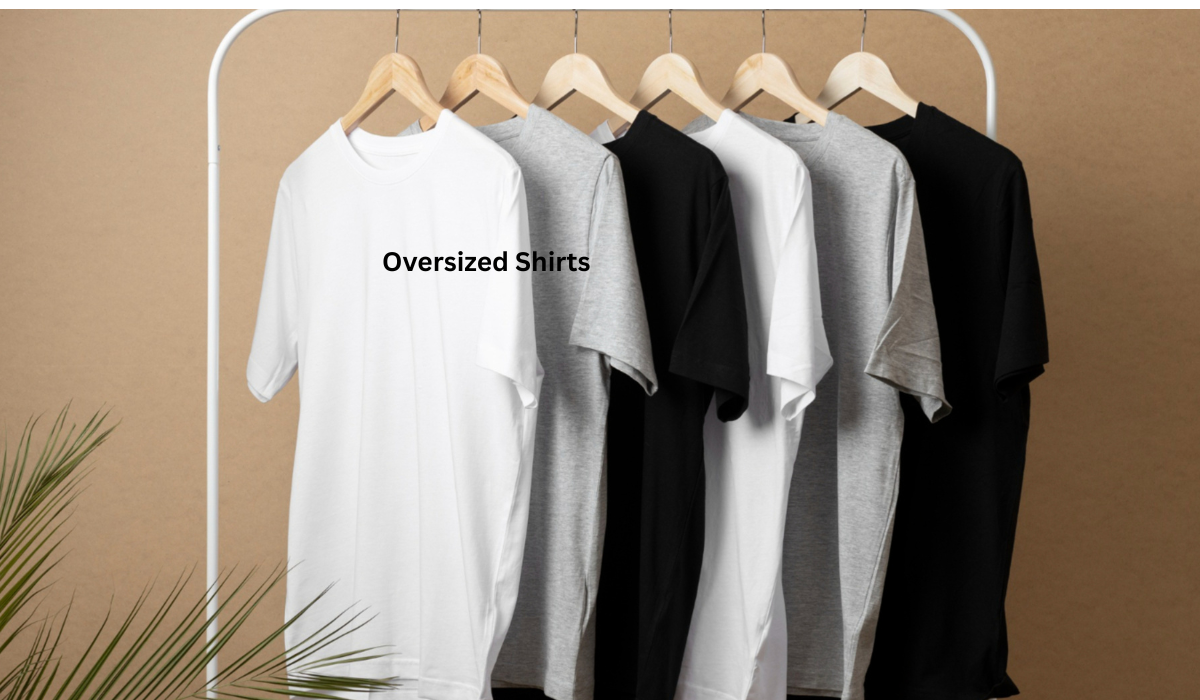
Oversized shirts have evolved from a trend into a timeless wardrobe staple, celebrated for their unique blend of comfort and style. This definitive guide breaks down exactly how to wear them—transforming volume into intention and simplicity into standout style.
Understanding the Oversized Silhouette
An oversized shirt is defined by its deliberate excess fabric, dropped shoulders, and elongated length, designed to create a relaxed yet structured look. It’s important to distinguish it from merely wearing the wrong size; intentional oversized fits are cut to drape properly while maintaining shape. Key variations include the boyfriend shirt (slightly slouchy), the boxy crop, and the longline shirtdress style, each offering different styling possibilities.
1. Foundational Styling Techniques
Master these four core methods to create shape and prevent your outfit from looking sloppy.
Start with the Half-Tuck or French Tuck, loosely securing only the front center of the shirt into your waistband to define your figure while allowing the back to flow. For a more casual, weekend-ready vibe, knot your shirt at the waist or hip—a perfect trick for balancing volume with a hint of skin. To add structure, cinch with a belt over the shirt, choosing a wide belt for drama or a thin leather one for subtlety. Finally, play with proportions by rolling sleeves to the elbow and unbuttoning strategically to create a flattering vertical line.
2. Bottoms: Balancing Volume
The right bottom half creates equilibrium, turning an oversized top into a cohesive outfit.
For a modern, sleek silhouette, pair your shirt with fitted bottoms like biker shorts, leggings, or slim-fit jeans. To embrace the “shirt as a dress” trend, wear it with cycling shorts or tight shorts underneath for coverage and style. Conversely, for an editorial, high-fashion look, tuck the shirt into high-waisted, wide-leg trousers or tailored cargo pants, emphasizing the waist while playing with interesting proportions.
3. Layering for Depth & Versatility
Layering unlocks seasonal adaptability and adds sophisticated texture to your look.
Use your shirt as a light jacket, leaving it unbuttoned over a tank, camisole, or simple tee for an effortless third piece. For cooler weather, layer it under jumpers, sweater vests, or slip dresses, allowing the collar, cuffs, and hem to peek out for a polished touch. To master advanced layering, try the “shacket” method: treat a thick flannel or denim oversized shirt as a jacket over a hoodie or under a coat.
4. Complete Outfit Formulas
These foolproof combinations work for any occasion, from errands to evenings out.
For Casual & Effortless: an oversized white oxford + straight-leg jeans + minimalist sneakers + a tote bag.
For Streetwear & Edge: an oversized graphic tee or flannel + cargo pants + chunky boots + a belt bag.
For Smart-Casual & Minimalist: an oversized linen shirt + tailored trousers + loafers + delicate gold jewelry.
5. Accessorizing with Intention
Carefully chosen accessories elevate an oversized shirt from basic to bespoke.
Footwear dictates the formality: sneakers keep it casual, ankle boots add edge, and heels or loafers introduce sophistication. Bags should complement the scale: a crossbody or shoulder bag works well without overwhelming the silhouette. Jewelry provides focus: long pendants and hoop earrings draw the eye vertically, countering horizontal volume.
6. Seasonal Adaptation Guide
Your oversized shirt is a four-season piece with simple adjustments.
In Spring/Summer, opt for breathable linens or cottons, wear them knotted with shorts, or as a swimsuit cover-up. For Autumn/Winter, choose heavier fabrics like flannel or oxford cloth, and layer them over turtlenecks and under wool coats, utilizing the sleeve-rolling technique to show off jacket cuffs.
7. Avoiding Common Styling Mistakes
Steer clear of these pitfalls to ensure your look is intentionally chic, not careless.
Avoid drowning in fabric by ensuring the shoulder seam isn’t significantly past your natural shoulder. Resist head-to-toe bagginess; always contrast volume with a fitted element. Be mindful of fabric weight—stiffer materials hold shape better for tucking and belting, while fluid drapey fabrics excel in loose, flowy styles.
Conclusion
Styling an oversized shirt is all about balance, intention, and confidence. By defining your shape with tucks, belts, smart layering, and the right proportions, this versatile piece can move effortlessly from casual daytime looks to polished evening outfits. With the right techniques, an oversized shirt isn’t just comfortable—it’s a powerful foundation for timeless, modern style.