

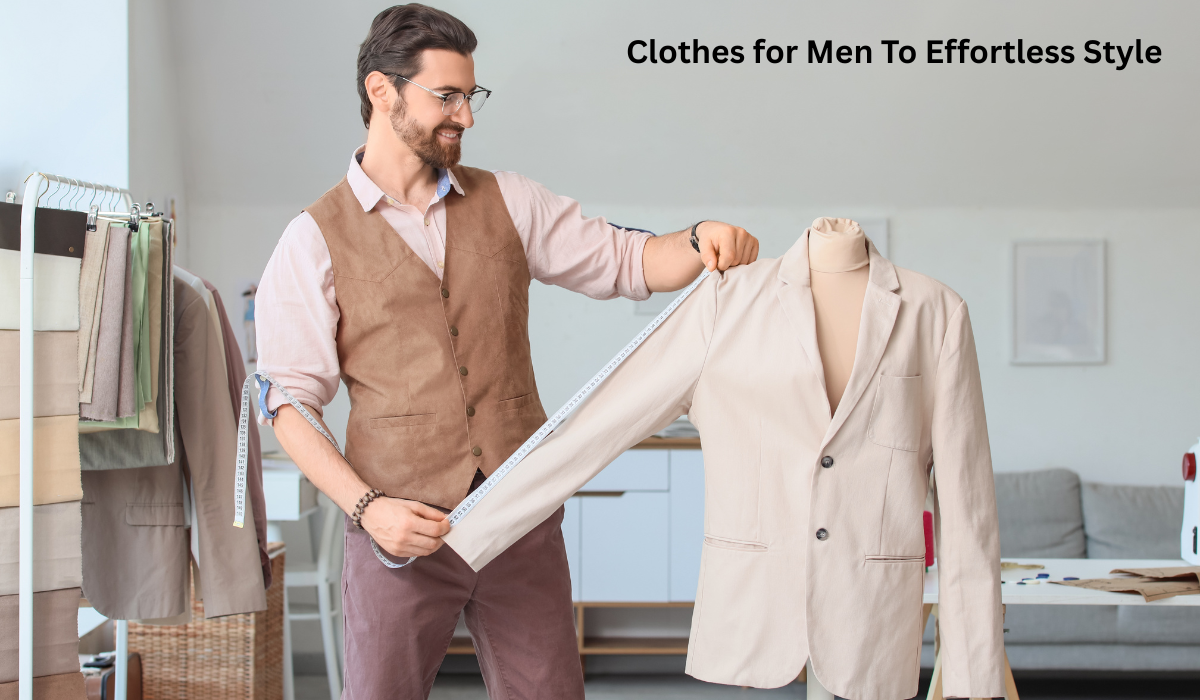
Forget arbitrary rules and confusing fashion jargon. Learning how to match clothes for men in the USA is about mastering visual balance that communicates confidence, professionalism, and personal identity. In 2026, men’s fashion in the United States blends timeless essentials with personal expression, moving away from rigid suits toward versatile smart casual outfits that transition easily from office settings to weekends. This guide breaks outfit coordination into simple, actionable principles, helping you build a capsule wardrobe suited to modern American lifestyles. Whether you’re refining business casual style in the USA or creating effortless weekend looks, these foundational rules ensure you always look well put-together.
Style Tip
Not sure which outfit fits your occasion? Try the Find outfit ideas for curated inspiration.
The Three Non-Negotiable Pillars of Matching Clothes
Before you consider a single outfit, these three core principles form the bedrock of great style.
1. Color Coordination: The Subtle Science
Color is your most powerful tool. The goal isn’t to match perfectly, but to combine hues harmoniously.
- The 60-30-10 Rule: This is the golden ratio for a balanced outfit. Let 60% of your outfit be a dominant, neutral color (like navy chinos or grey trousers). 30% should be a secondary color (a lighter shirt or sweater). The final 10% is for an accent (a pocket square, watch strap, or socks).
- Start with Neutrals: Build your wardrobe foundation on versatile neutrals: Navy, Grey, Olive, Tan, White, and Black. These colors mix and match seamlessly.
- Add Color with Intent: Use the color wheel. Analogous colors (next to each other, like navy and green) are safe and sophisticated. Complementary colors (opposites, like navy and tan) create dynamic contrast. For beginners, let your accent piece (the 10%) be the only vibrant color.
2. Fit: The Single Most Important Factor
A perfectly matched outfit in the wrong fit will always look off. Fit is king.
- Shoulders & Chest: Jackets and shirts should lie flat without pulling or excessive looseness. The shoulder seam should hit at the edge of your shoulder bone.
- Trousers & Jeans: A slight break at the shoe (minimal bunching) is modern. They should not be tight in the thigh or seat. The waist should allow for one finger to slide in comfortably.
- Shirts: Sleeves end at the base of your thumb. The body should be trim but not tight, allowing for easy movement.
3. Proportion & Balance: Creating Visual Harmony
This is about balancing volumes and weights across your silhouette.
- Pair Fitted with Relaxed: If you wear a loose, overshirt, pair it with slim or straight-leg trousers. A bulky knit sweater looks best with more tailored pants. This avoids looking boxy or sloppy.
- High vs. Low Rise: Generally, a higher-rise pant (which sits at or just below the navel) creates a more flattering, elongated silhouette, especially when worn with a shirt tucked in.
The Outfit Matrix: Building Blocks for Any Occasion
| Occasion | Top (30%) | Bottom (60%) | Layer / Outerwear | Shoes & Accent (10%) |
|---|---|---|---|---|
| Smart Casual | Oxford Cloth Button-Down (Light Blue) | Navy Chinos | Unstructured Cotton Blazer | Brown Leather Loafers, Leather Strap Watch |
| Business Casual | Fine-Gauge Knit Merino Sweater | Mid-Grey Wool Trousers | – | Black Leather Chelseas, Silver Cufflinks |
| Weekend Casual | White Crewneck T-Shirt | Olive Green Fatigue Pants | Denim Jacket | White Leather Sneakers, Navy Baseball Cap |
| Evening Out | Black Polo Neck Knit | Dark Wash Denim Jeans | Leather Jacket | Suede Chukka Boots, Simple Silver Ring |
Step-by-Step: How to Build a Cohesive Outfit
Follow this logical sequence every time you get dressed.
- Start with a Foundation Piece (The 60%): Choose your pants or trousers. This is your anchor. Is it your navy chinos, grey wool trousers, or dark denim?
- Select Your Top (The 30%): Choose a shirt, polo, or sweater that complements your bottom’s color and formality. A light blue shirt with navy chinos is a classic combo.
- Add a Layer (Optional): This can be a jacket, blazer, or cardigan. It should complement both the top and bottom. An unstructured blazer in a complementary neutral (like tan over navy and blue) elevates almost anything.
- Choose Your Footwear: Shoes ground the outfit. Generally, match the formality: sneakers with casual looks, boots or loafers with smart casual, dress shoes with tailored trousers. The old “match belt to shoes” rule still holds for dressed-up looks.
- Apply the Finishing Touches (The 10%): This is where personality shines. A watch, a simple necklace, a patterned sock, or a pocket square adds the final layer of intention.
Advanced Harmony: Mixing Textures and Patterns
Once you’ve mastered color, play with texture and pattern to add depth.
- Texture Mixing: Pair different fabrics to create interest. Combine a rough tweed blazer with a smooth cotton shirt and soft wool trousers. A cashmere sweater over a denim shirt is a perfect cold-weather combo.
- Pattern Mixing (Beginner’s Guide): Stick to two patterns max. Pair a bold stripe with a subtle check by ensuring they share a common color. Vary the scale—a large windowpane check with a thin pinstripe works well.
Common Matching Mistakes to Avoid
- Over-Matching: Don’t try to make every item the same color (e.g., black shirt, black pants, black shoes). It looks flat and costumey. Aim for harmony, not uniformity.
- Ignoring Seasonality: Fabrics and colors have seasons. Linen, cotton, and bright colors speak to spring/summer. Wool, corduroy, and earthy tones align with fall/winter.
- Neglecting Grooming & Details: The best outfit is undermined by scuffed shoes, a frayed belt, or an untrimmed beard. Details matter.
Conclusion: Style is a Learned Skill
Matching clothes for men is not an innate talent but a learned skill built on a few timeless principles. Start by investing in well-fitting neutral basics, apply the 60-30-10 color rule, and build outfits with intentional balance and proportion.