

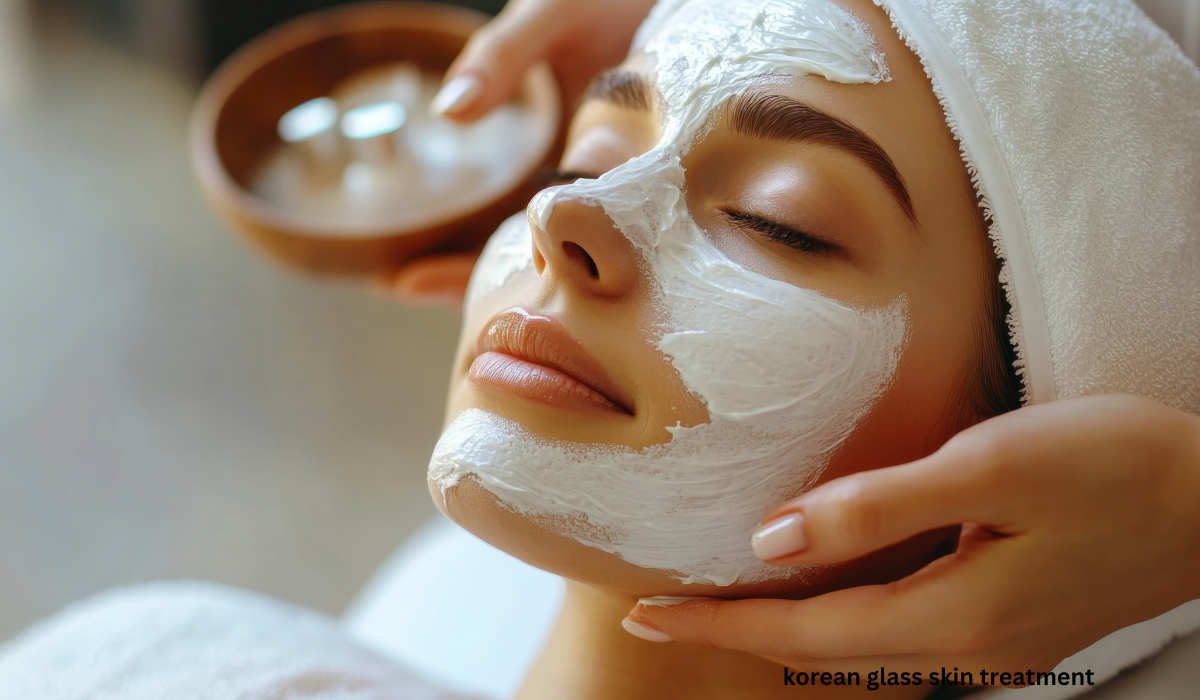
The quest for glowing, healthy skin often leads to a common question: how often should you get a facial? While the classic answer is once a month, the truth is more nuanced. The ideal facial frequency is a personalized schedule that depends on your unique skin type, goals, and the specific treatments you choose.
The Golden Rule: Why the Monthly Facial is a Standard
Many dermatologists and licensed estheticians recommend a monthly facial schedule. This guideline is based on the skin’s natural life cycle, where it regenerates approximately every 28 to 30 days. A professional facial aids this process by providing a deep cleanse, exfoliation, and targeted treatment that complements your at-home routine. For normal to combination skin without major concerns, sticking to a facial every 4 to 6 weeks is an excellent maintenance plan for consistent results.
Also Read: Trend to a Lasting Glow
Customizing Your Schedule: Key Factors to Consider
Your personalized facial frequency depends on several important factors. The table below outlines how different skin types and goals influence your ideal schedule.
| Factor | Recommended Frequency | Key Reasoning & Treatment Focus |
|---|---|---|
| Oily & Acne-Prone Skin | Every 2-4 Weeks (for active breakouts) | Frequent, gentle deep cleansing facials with extractions can manage clogged pores and oil production under professional guidance. |
| Dry or Sensitive Skin | Every 6-8 Weeks | Skin needs more time to recover and stabilize between treatments. Focus is on hydrating facials and barrier repair, avoiding over-stimulation. |
| Aging or Mature Skin | Every 3-4 Weeks | Consistent treatments like anti-aging facials with peptides or mild chemical peels can boost collagen and improve texture. |
| For a Specific Event | 5-7 Days Before | Allows time for any initial redness to subside, ensuring you glow on the big day. Avoid trying new, intensive treatments. |
How Treatment Intensity Changes the Timeline
The type of facial you choose significantly impacts how often you should have one:
- Basic & Hydrating Facials: These gentle treatments are ideal for monthly maintenance.
- Chemical Peels & Microdermabrasion: These more intensive exfoliating treatments require more downtime. A frequency of every 4-8 weeks is common, strictly following your specialist’s advice.
- LED Light Therapy or Non-Invasive Treatments: Some protocols may start with weekly sessions for 4-6 weeks, transitioning to monthly maintenance facials.
Listening to Your Skin: Signs You Need to Adjust
Your skin will give you feedback on your facial schedule. Here’s what to watch for:
- Signs You’re Overdoing It: Increased redness, sensitivity, dryness, or irritation. This means you need to extend the time between facials.
- Signs You Need One Sooner: Persistent dullness, clogged pores, or buildup that your home routine can’t manage. Your skin may benefit from a slightly more frequent facial schedule.
The Essential Role of Professional Consultation
The most critical step is to consult a licensed esthetician or dermatologist. A professional can:
- Analyze your skin’s current condition.
- Recommend a customized facial treatment plan.
- Suggest the right facial treatment types for your goals.
- Adjust your facial frequency chart based on how your skin responds.
Final Recommendations for a Balanced Approach
Start with a professional consultation and consider a monthly facial as a baseline. After 2-3 sessions, you and your esthetician can tailor the frequency. Remember, consistency with a gentle at-home routine is just as important as your professional visits for achieving and maintaining healthy, radiant skin.