

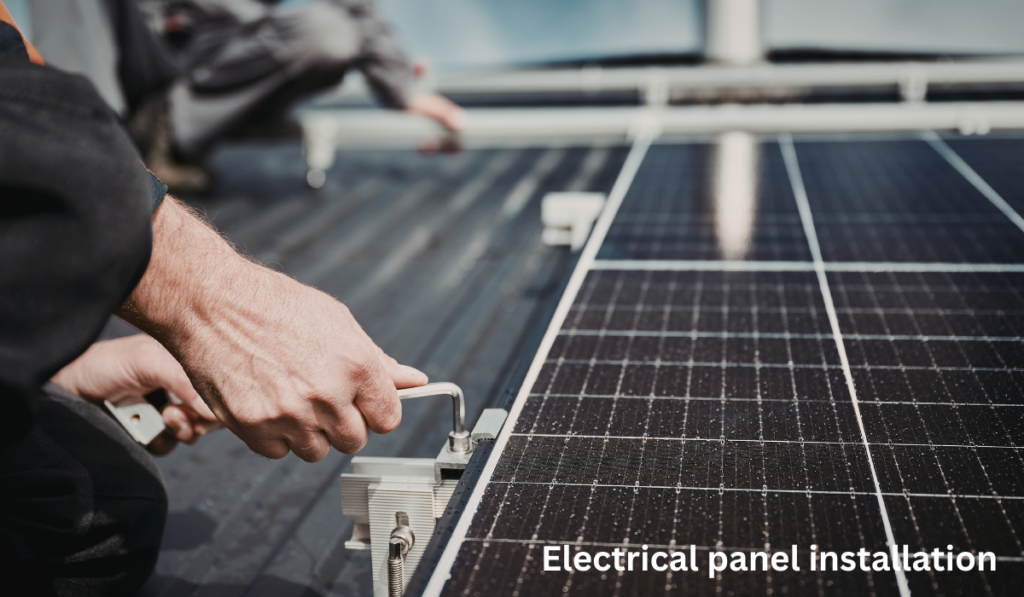
Looking for electrical panel installation near you means you want safe, code-compliant work done quickly and by a qualified professional. You can get a reliable, certified electrician to assess your needs, provide a clear quote, and install or upgrade your panel to meet safety and capacity requirements.
This article electrical panel installation near me explains common services you’ll encounter, how providers handle permits and compliance, and practical tips to choose the right contractor for your home or business. Expect straightforward comparisons of service types, cost factors, and red flags to watch for so you can make an informed decision.
Electrical Panel Installation Services
You’ll learn how to find a licensed electrician, understand common panel types, and decide whether to upgrade or replace your panel. Focus on safety, code compliance, and matching panel capacity to your home’s load.
Finding a Licensed Electrician Near You
Look for electricians licensed in your state or province; licensing proves they passed exams and meet local code requirements. Verify license number and insurance, and confirm they carry general liability and worker’s comp.
Check recent reviews and ask for references from jobs similar to yours, such as panel upgrades or whole-home replacements. Request a written estimate that lists labor, parts, permits, expected timeline, and disposal of the old panel.
Ask whether the electrician will obtain permits and schedule inspections. Confirm experience with your panel type (e.g., split-bus, main-breaker, or load center) and with meter-to-panel work if a service change is needed. Get a clear warranty on workmanship and on new equipment.
Types of Electrical Panels
Common residential panels include main-breaker load centers, main-lug panels, and split-bus panels. Main-breaker load centers combine a service disconnect and breakers; they’re the most common for modern homes.
Panels are rated by amperage—typical values are 100A, 150A, 200A—and by the number of circuit spaces. Match rating to your service conductor and meter; undersized panels create overheating and nuisance trips.
Newer panels use materials and designs that reduce arc-fault and ground-fault risks. Look for UL-listed equipment and manufacturers’ model numbers on the label. If you have a subpanel, ensure proper neutral-ground separation and compatible grounding conductors.
Upgrading vs. Replacing an Electrical Panel
Upgrade when you need higher amperage or more circuit spaces but the existing enclosure and service conductors remain safe and code-compliant. Upgrading typically involves installing a higher-capacity breaker and new load center while reusing the service mast and meter, if allowed by code.
Replace the panel if it’s physically damaged, contains recalled breakers, or uses obsolete designs like Federal Pacific or Zinsco. Replacement also applies when corrosion, water intrusion, or burned terminals exist.
Consider costs and timeline: upgrades often cost less and take a day or two; full replacements may require a service disconnect change, utility coordination, and several inspections. Always require a permit and final inspection—skipping them can void insurance and create safety hazards.
Choosing the Right Provider
Focus on licensed electricians with local experience, proper permits, and good references. Prioritize clear estimates, written warranties, and electricians who inspect your panel and home before quoting.
Evaluating Local Experience
Look for electricians or companies that have completed similar panel installations in homes like yours—same panel type, service size, and layout. Ask how many installations they perform monthly and request references from nearby addresses so you can confirm consistent quality.
Check for specific experience with brands or upgrades you need, such as 200-amp service, subpanels, or main-breaker replacements. Ask whether they handle utility coordination and meter-base changes; experienced crews will explain steps and timelines up front.
Confirm crew qualifications: journeyman electricians, licensed contractors, and supervised apprentices. Request proof of worker certifications and examples of completed jobs with before-and-after photos or permit numbers you can verify with the local building department.
Permits and Safety Standards
Always choose a provider who pulls required permits and schedules inspections. Permits ensure the work follows the current National Electrical Code (NEC) or your local equivalent and protect you if insurance or resale issues arise.
Ask the contractor which codes apply to your project and whether they will provide inspection receipts or a final approval document. Verify they carry general liability and worker’s compensation insurance; get policy details and expiration dates in writing.
Confirm safe practices on-site: lockout/tagout procedures, panel labeling, arc-fault and ground-fault protection where required, and use of appropriate torque tools and breaker types. A responsible provider will include surge protection and grounding checks as part of their scope or explain why they recommend them as add-ons.
Customer Reviews and Recommendations
Read multiple reviews across platforms—Google, Yelp, and local trade sites—and focus on recent jobs and comments about panels, permits, and cleanups. Pay attention to recurring praise or complaints about punctuality, communication, and adherence to estimates.
Ask for direct references and call at least two recent customers. Ask specific questions: Did the electrician arrive on time? Was the final cost close to the estimate? Were there permit or inspection delays? Did the crew explain operation and maintenance after installation?
Look for verified credentials on listings and third-party vetting (Better Business Bureau, local contractor networks). Favor providers offering written warranties on workmanship and parts, and those who provide clear, itemized invoices you can save for future service or resale documentation.