

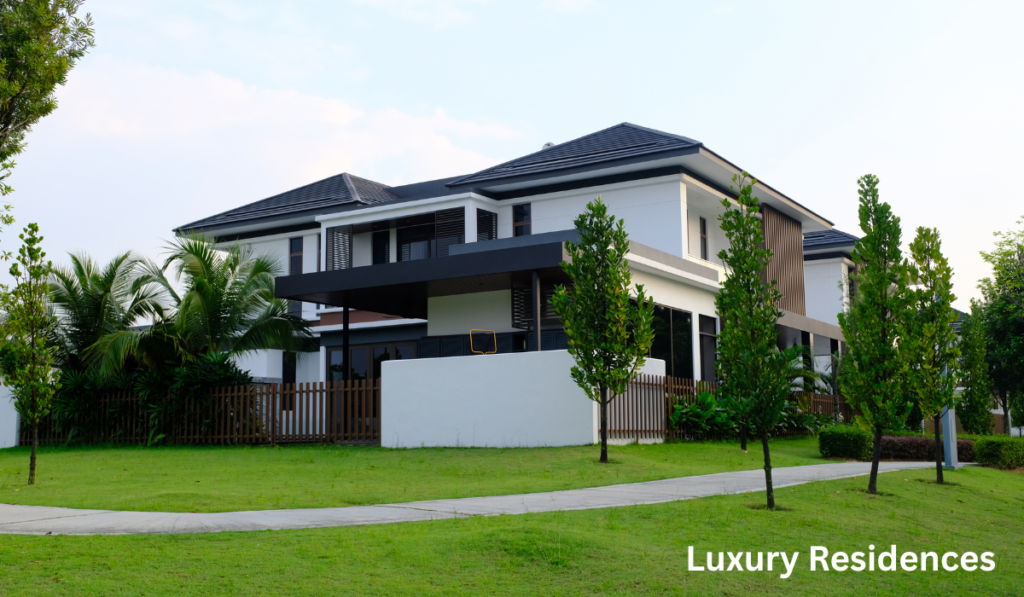
If you want a home that truly fits your lifestyle in Custom Home Construction Toronto, you need a builder who understands local zoning, climate, and neighbourhood character. Custom home construction in Toronto lets you control layout, materials, and energy performance while navigating permits and site constraints with professional guidance.
You’ll learn how the building process unfolds—from planning and permits through contractor selection and final finishes—and which decisions will most affect cost, schedule, and long-term value. Expect practical guidance on budgets, timelines, neighbourhood rules, and working with architects and builders so you can move forward with confidence.
Start thinking about your priorities now: whether you value high-end finishes, energy efficiency, or a design that complements your lot, those choices will shape every step of the project.
Custom Home Construction Process in Toronto
Toronto builds require careful site choice, tight design coordination, precise permitting, and diligent project management to control timelines and costs. You’ll need to balance neighbourhood zoning, architectural detail, municipal approvals, and contractor scheduling to move from concept to move-in.
Site Selection and Land Acquisition
Choose a lot with the zoning and lot coverage that match your desired home type. Check Official Plan designation, zoning bylaws, and any heritage or conservation overlays before making an offer.
Assess servicing: water, sewer, storm connections, hydro availability, and any need for septic or private servicing. Factor in lot grading, mature tree protection, and potential site remediation costs for older urban lots.
Consider neighbourhood context: allowable height, setbacks, and typical massing affect design options and resale. Hire a surveyor and get a topographic/site condition report early to identify restrictions and carrying costs.
Negotiate conditions in the purchase agreement that allow for due diligence time for permitting research and a conditional exit if approvals aren’t feasible.
Design and Architectural Planning
Start with a clear brief listing room count, floor areas, sustainability targets, and budget ranges. Use a registered architect or licensed designer experienced with Toronto infill and laneway regulations to avoid rework.
Develop concept sketches, then move to permit-ready drawings including site plans, elevations, sections, and structural layouts. Coordinate mechanical, electrical, and energy-efficiency strategies—HVAC sizing, insulation values, and window performance—at the design stage.
Use value engineering to align finishes and systems with your budget without compromising code compliance. Lock in material selections and critical long-lead items (windows, custom stairs) before construction tendering to reduce change orders.
Permitting and Approvals
Submit a complete application package to Toronto Building or the applicable GTA municipality; incomplete packages cause delays. Typical submissions include site plan control (if required), building permit drawings, lot grading plans, and HVAC/mechanical specs.
Budget time for heritage review, Committee of Adjustment applications for minor variances, and conservation authority approvals for properties near ravines or waterways. Expect peer reviews or peer-engineering requests on structural or geotechnical matters on constrained lots.
Track permit timelines actively and respond promptly to municipal review comments. Pay attention to permit conditions: staged permits or occupancy conditions can affect when you can begin interior finishes or occupy the home.
Construction Timeline and Project Management
Create a phased schedule with key milestones: demolition/site prep, foundation, framing, enclosure, MEP rough-ins, finishes, and final inspections. Set realistic durations for each phase and include contingency for weather and material lead times.
Hire a general contractor or use a design-build firm with proven Toronto infill experience. Establish a clear contract with progress payment milestones, change-order procedures, and quality standards. Hold weekly site meetings and maintain a digital log of RFIs, submittals, and photos.
Manage inspections and hold-points: structural, insulation/air barrier, and final occupancy checks. Monitor budget versus actual closely and authorize changes only through written change orders to control scope creep.
Key Considerations for Building a Custom Home
You’ll make choices that affect cost, timeline, energy use, and resale value from lot purchase through final finishes. Focus on realistic budgeting, durable materials, a qualified builder, and Toronto-specific trends that affect design and permits.
Budget Planning and Financing Options
Create a line-item budget that separates land cost, hard construction (foundation, framing, roofing), soft costs (design, permits, engineering), and contingency—aim for a 10–20% contingency for Toronto sites. Get firm quotes for major trades early and update your budget at each design milestone.
Explore these common financing paths:
- Construction mortgage: funds released in draws tied to progress inspections.
- Bridge financing: short-term option if you must buy a lot or existing home before completion.
- Renovation or equity loans: possible if you own a property and plan to replace or substantially rebuild.
Factor in HST on eligible items, development charges, and higher costs for constrained urban lots. Lender pre-approval of the total project amount reduces financing delays.
Material Selection and Sustainability
Prioritize materials that lower lifecycle costs and match Toronto’s climate: high-performance windows with low-E coatings, continuous exterior insulation, and durable roofing like metal or long-life composite shingles. Choose moisture-resistant assemblies to handle freeze-thaw cycles and snow loads.
Consider these sustainability measures:
- High-efficiency HVAC (heat pump systems) to reduce operating costs.
- Air-tight construction plus mechanical ventilation (HRV/ERV) for comfort and indoor air quality.
- Insulation upgrades (R-parameters above code) for long-term energy savings.
- Low-VOC finishes and locally sourced materials to minimize transport emissions.
Balance upfront costs against utility savings and potential incentives (municipal rebates, Canada Greener Homes Grant). Document warranties and maintenance needs for major components.
Partnering With Reputable Toronto Home Builders
Select builders familiar with Toronto zoning, lot grading, and local permit processes to avoid costly redesigns. Ask for references, a project portfolio of nearby builds, and a clear contract that specifies scope, payment schedule, change-order handling, and completion milestones.
Verify:
- Builder licensing and WSIB coverage.
- Proof of liability and wrap-up insurance.
- Detailed warranties and post-completion service commitments.
Use a scoring checklist when comparing candidates: experience on similar lot types, subcontractor relationships, permitting success rate, transparency in cost reporting, and ability to manage city inspections. Retain an independent third-party inspector for key milestones and require lien releases with each payment.
Trends in Toronto Custom Homes
Toronto custom builds increasingly prioritize space efficiency, multi-generational layouts, and legal secondary suites for rental income. Expect tighter lot footprints with vertical planning—basement and third-floor living spaces are common ways to gain square footage.
Energy and tech trends include widespread adoption of electrification (heat pumps, induction cooking), integrated smart-home systems, and passive-house-inspired details even if full certification is not pursued. Exterior aesthetics lean toward mixed materials—brick, fiber cement, and metal accents—to meet neighbourhood character rules while delivering modern appeal.
Plan for neighbourhood-specific constraints: heritage overlays, minimum and maximum lot coverage, and tree preservation bylaws that can change your site plan and construction sequence.