

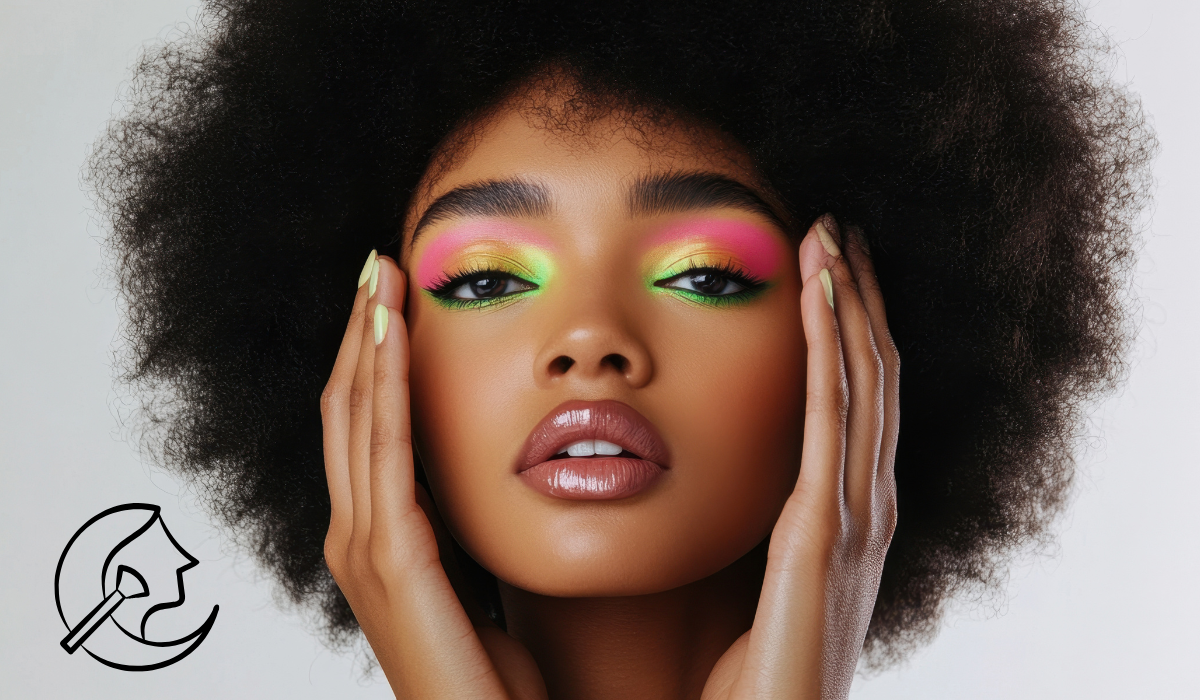
In today’s HD, authenticity-driven world, natural photoshoot makeup isn’t about using less—it’s about using the right products and techniques to achieve a flawless “your skin, but better” look that works both on camera and in real life.
The Core Philosophy: Understanding “Natural” for the Camera
A successful natural photoshoot makeup look achieves two critical goals:
- It enhances your features without masking them, avoiding heavy, cakey textures that settle into fine lines under scrutiny.
- It performs technically for the camera, controlling shine without looking flat, and ensuring skin looks luminous and even-toned in various lighting conditions.
This look is universally sought after for bridal portraits, professional headshots, engagement sessions, and editorial fashion photography where authenticity is key.
The Foundational Step: Impeccable Skin Prep
The most crucial part of natural makeup for photos happens before you touch a single cosmetic product.
- Cleanse & Exfoliate: Start with a gentle cleanse followed by a mild chemical exfoliant (like lactic acid) to remove dead skin cells. This ensures a smooth, non-flaky canvas.
- Hydrate Strategically: Use a moisturizer suited to your skin type. For a dewy finish, opt for a hydrating serum or gel-based moisturizer. Always allow it to fully absorb.
- Prime with Purpose: A primer is non-negotiable. Choose based on need:
- Blurring Primer: Minimizes the appearance of pores and fine lines.
- Hydrating Primer: Boosts glow for dry skin.
- Illuminating Primer: Adds a subtle, lit-from-within radiance (apply to high points of the face).
- Don’t Forget Lips & Eyes: Apply a rich lip balm and a light eye cream at this stage so they are nourished by the time you apply color.
Product Arsenal: The Best Makeup for a Natural Photoshoot Look
Choosing the right formulations is 90% of the battle. Here’s a breakdown of the best photoshoot makeup products for a natural effect.
1. Complexion Perfection: Base, Concealer, Powder
- Base: Ditch full-coverage foundations. Opt for a lightweight foundation, skin tint, BB cream, or tinted moisturizer. The goal is sheer to medium, buildable coverage. Use a damp beauty sponge for the most skin-like finish.
- Concealer: Use only where needed—under eyes, around the nose, on any blemishes. Choose a creamy, hydrating formula that won’t crease. The technique of spot concealing is far more natural than applying foundation everywhere.
- Powder: The secret to long-lasting natural makeup is strategic powdering. Use a micro-fine, translucent setting powder only on areas that crease or get oily (under eyes, smile lines, T-zone). Avoid dusting it all over to preserve the skin’s glow.
2. Color & Dimension: Blush, Bronzer, Highlighter
- Formula First: Cream and liquid products are your best friends. They melt into the skin, mimicking a natural flush or suntan. Layer them under your powder for longevity.
- Blush: Choose shades that look like your natural flush—think peaches, rosy pinks, or muted mauves. Apply to the apples of cheeks and blend upwards.
- Bronzer: Use a neutral, cool-toned (not orange) cream bronzer to add subtle warmth and dimension around the hairline and under the cheekbones.
- Highlighter: A liquid highlighter tapped on the high points of the cheekbones, brow bone, and cupid’s bow creates a luminous finish that catches the light beautifully.
3. Eye Enhancement: The Frame
- Brows: Brush brows up and set them with a clear or tinted brow gel for a full, feathered look.
- Eyeshadow: Stick to matte or satin neutral eyeshadows in tones close to your skin color (taupes, creams, soft browns). The goal is to add subtle depth, not dramatic color.
- Eyeliner: Tightlining (applying pencil to the upper waterline) adds definition without a visible line. A tiny speck of brown shadow smudged at the lash line can also enhance the eyes.
- Mascara: Opt for a defining, not voluminizing, mascara in brown-black for a softer look. Curl lashes first to open up the eyes. Consider individual false lashes only at the outer corners for an undetectable lift.
4. The Final Touch: Lips
- Lip Liner: Choose a shade that matches your natural lip color. Use it to subtly define and prevent feathering.
- Lip Color: Lip stains, tinted balms, and creamy nude lipsticks are ideal. Avoid overly glossy formulas that can reflect light oddly in flash photography. Aim for a “blotted lip” effect.
Makeup Finish Comparison: What Works Best on Camera?
| Finish Type | Best For | Key Products | Camera Performance Tip |
|---|---|---|---|
| Dewy & Luminous | Dry/Normal skin, outdoor/soft light | Skin Tints, Liquid Highlighters, Cream Blush | Can reflect flash. Powder T-zone lightly to prevent shine hotspots. |
| Natural Matte | Oily/Combination skin, studio/harsh light | Matte Skin Tint, Blurring Powder, Powder Blush | Ensure skin is well-prepped to avoid a flat, dry appearance. Add glow only to cheekbones. |
| Satin/Skin-Like | All skin types, versatile lighting | Buildable Foundation, Micro-Fine Powder | The safest, most universally flattering finish for mixed photoshoot conditions. |
Pro Techniques for a Flawless, Long-Wearing Application
- Thin Layers: Always apply in thin, buildable layers. It’s easier to add than to subtract.
- Blend, Then Blend More: There should be no harsh lines. Use clean brushes and sponges to diffuse all product edges.
- Set Strategically: After applying cream products, use a setting spray to melt everything together. After powder, use another light mist to restore skin-like texture and lock it in.
- The Neck & Ears Rule: Blend your base makeup seamlessly down your neck and onto your ears to avoid any harsh lines, especially for shots with different angles.
Photoshoot-Specific Considerations
- Flash Photography: Avoid SPF in your makeup and heavily silica-based powders, as they can cause a white “flashback.” Do a test shot if possible.
- Outdoor/Natural Light: This lighting is more forgiving. You can emphasize a dewier finish but still powder lightly to combat natural shine from heat or movement.
- Longevity: For all-day shoots (like weddings), each “thin layer, set with powder, set with spray” step is critical. Keep blotting papers and a pressed powder for touch-ups that won’t add layers.
Common Mistakes to Avoid
- Skipping Primer: This leads to makeup separating and fading unevenly.
- Wrong Color Match: Test your foundation in natural light. A mismatched neck and face is a nightmare to edit.
- Over-Powdering: This creates a flat, lifeless complexion that emphasizes texture.
- Trend Over Timelessness: Avoid bold, trendy colors on eyes or lips if the goal is a classic, natural look that will age well in photos.
Conclusion: Your Blueprint for Camera-Ready Confidence
Achieving the best natural makeup look for a photoshoot is a blend of art and science. It requires the right skin-prep routine, strategic product selection (favoring creams and liquids), and a disciplined application technique focused on thin layers and seamless blending.
Ready to test your look? Do a makeup trial and take selfies in different lighting with and without flash! Share your results or ask your specific photoshoot makeup questions in the comments below—let’s create something beautiful together.