

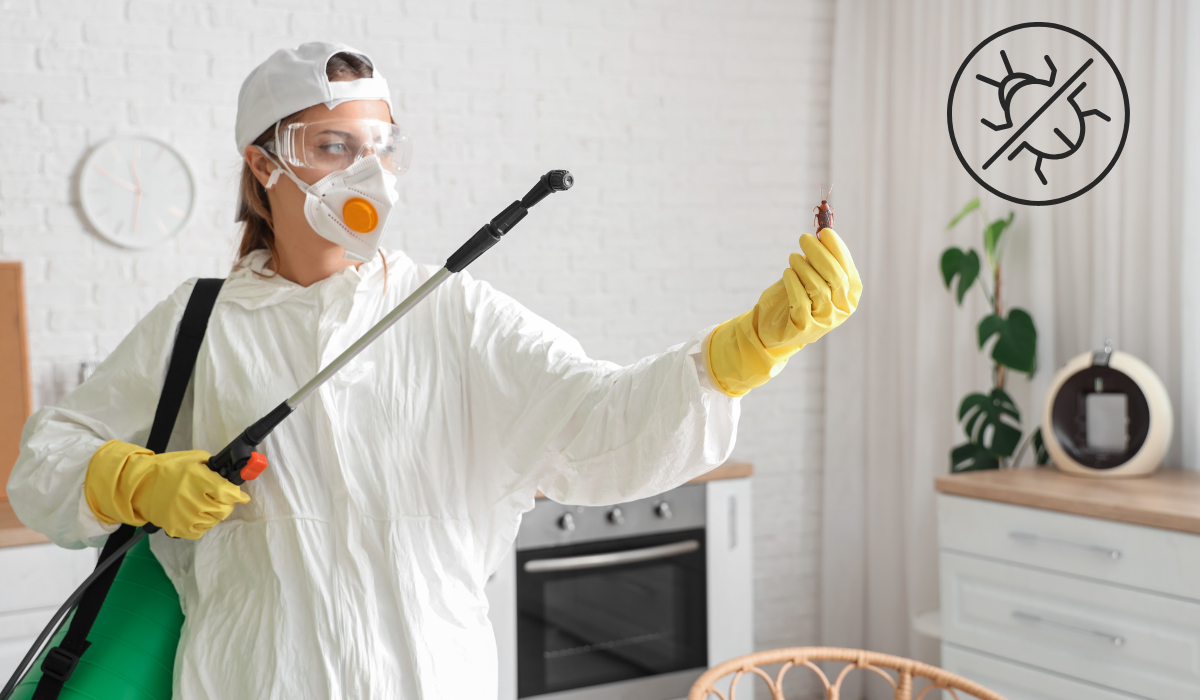
Digital Pest Contro
If you’re searching for clear information about how Anticimex 3D Sanidad Ambiental and WiseCon work together, you’ve likely encountered complex technical explanations that are difficult to navigate. This guide breaks down the consolidation strategy into simple, understandable terms while providing the depth that professionals need.
Quick Answers: What You Need to Know
| Your Question | Direct Answer |
|---|---|
| What is the consolidation strategy? | Anticimex acquired WiseCon fully in 2017 to create a global innovation center for digital pest control, integrating smart technology across all branches including Spain |
| What does this mean for Spanish customers? | Anticimex 3D Sanidad Ambiental now offers non-toxic, continuously monitored pest control solutions to city councils, hospitals, food factories, and hotels across Spain |
| How is this different from traditional pest control? | Instead of scheduled manual inspections, SMART systems use connected sensors and traps that monitor 24/7 and alert technicians only when action is needed |
| Is this available in my area? | Yes, Anticimex 3D Sanidad Ambiental operates throughout Spain from their headquarters in Sant Cugat del Vallès, near Barcelona |
Understanding Anticimex 3D Sanidad Ambiental
Before diving into the consolidation strategy, it’s essential to understand what Anticimex 3D Sanidad Ambiental brings to the Spanish market.
Who They Are and What They Do
Anticimex 3D Sanidad Ambiental delivers comprehensive environmental hygiene services across Spain. Their work covers:
| Service Category | Specific Applications |
|---|---|
| Disinfection | Healthcare facilities, food processing plants, public spaces |
| Disinfestation | Cockroach, ant, and insect control for businesses and municipalities |
| Rodent Control | Sewer systems, warehouses, urban areas |
| Bird Management | Public buildings, industrial facilities |
| Fumigation | Food storage, logistics platforms |
| Wood Protection | Historical buildings, structural timber |
| Water System Hygiene | Legionella control, cooling towers |
| Indoor Air Quality | Offices, hospitals, schools |
Their clients include city councils, hospitals, hotels, logistics platforms, and food factories—organizations that cannot compromise on safety or compliance .
Quality Certifications Matter
The company holds ISO 9001:2015 certification for the design and execution of environmental hygiene and pest control services . This certification confirms:
- Formal quality management systems
- Regular auditing procedures
- Commitment to continuous improvement
- Reliable processes for sensitive environments like healthcare and food production
This foundation of quality makes their integration with WiseCon technology particularly powerful.
Who Is WiseCon and Why Does It Matter?
The Danish Innovation Powerhouse
WiseCon A/S began in Denmark as a technology company dedicated to poison-free rodent traps and electronic monitoring systems . Their products include:
- Smart sewer traps that detect and capture rodents automatically
- Wall-mounted monitoring devices
- Sensors that detect movement and body heat
- Communication modules that transmit real-time data
The Anticimex Acquisition Timeline
Understanding the timeline helps clarify the consolidation strategy:
| Year | Milestone |
|---|---|
| 2015 | Anticimex acquires 20% of WiseCon, beginning the shift toward digital pest control |
| 2017 | Anticimex purchases the remaining 80%, making WiseCon its global innovation center based in Helsinge, Denmark |
| Present | WiseCon technology powers Anticimex SMART systems across Europe, the Americas, and Asia-Pacific |
This acquisition wasn’t just a purchase—it was the foundation of a completely new approach to pest management .
The Consolidation Strategy Explained Simply
The phrase Anticimex 3D Sanidad Ambiental / WiseCon Estrategia de Consolidación describes a long-term plan to unite local service organizations with a shared global technology platform.
What Consolidation Means in Practice
For Anticimex 3D Sanidad Ambiental, consolidation represents a fundamental shift:
Before Consolidation:
- Isolated contracts for individual sites
- Manual inspections on fixed schedules
- Reactive responses to problems
- Varied equipment and methods across branches
After Consolidation:
- Connected sites monitored from a single dashboard
- Real-time data from every location
- Preventive interventions based on activity patterns
- Standardized tools, training, and reporting across all branches
The Strategic Vision
The consolidation strategy aims to:
- Standardize technology and training across all Anticimex branches
- Scale proven solutions from Denmark to Spain and beyond
- Integrate local expertise with global innovation
- Transform pest control from reactive visits to continuous prevention
This isn’t just about adding technology—it’s about reimagining the entire service model .
How the SMART System Works: A Step-by-Step Explanation
The heart of the consolidation strategy is the Anticimex SMART ecosystem, developed from WiseCon’s original designs.
The Technology Behind the System
| Component | Function |
|---|---|
| Connected Traps | Non-toxic mechanical traps that capture rodents |
| Motion Sensors | Detect movement and body heat in critical areas |
| Communication Modules | Transmit data via mobile networks to central servers |
| Data Hub | Aggregates information from all devices |
| Dashboard | Displays alerts, trends, and activity maps for technicians |
The Workflow
Step 1: Site Inspection
Technicians assess the facility, identifying risk zones such as:
- Loading bays
- Kitchens and food preparation areas
- Sewer access points
- Storage rooms
- Waste handling areas
Step 2: Device Installation
A network of non-toxic traps and sensors is strategically placed throughout the site. Unlike traditional bait stations, these devices:
- Contain no poison
- Detect activity automatically
- Communicate wirelessly
- Reset after captures
Step 3: Continuous Monitoring
Every device sends information 24/7 to Anticimex servers. The system tracks:
- Captures and their exact times
- Activity patterns even without captures
- Battery levels and device status
- Temperature or environmental changes (with appropriate sensors)
Step 4: Intelligent Alerts
When devices detect activity, they trigger alerts based on severity:
- Single captures logged for routine follow-up
- Multiple activations triggering immediate technician dispatch
- Pattern changes indicating emerging infestations
Step 5: Targeted Response
Technicians visit only when data shows work is needed, arriving with:
- Knowledge of exactly which devices triggered
- Understanding of activity patterns
- Appropriate equipment for the specific situation
- Documentation for client records
This approach transforms pest control from scheduled checks to intelligence-driven intervention .
Real-World Applications in Spain
Municipal Sewer Networks
Spanish towns and cities face ongoing challenges with rodent populations in underground infrastructure. Traditional methods involve:
- Manual inspection of bait stations
- Regular replenishment of rodenticides
- Limited visibility between visits
- Environmental concerns about poison runoff
With SMART systems, municipalities gain:
| Benefit | Impact |
|---|---|
| Continuous monitoring | Problems detected immediately, not weeks later |
| Poison-free operation | Reduced environmental impact, safer for wildlife |
| Activity mapping | Visual data showing exactly where problems originate |
| Resource optimization | Technicians visit only where needed |
Projects in Spanish towns have installed mechanical sewer traps equipped with sensors that detect and remove rodents directly in underground pipes. These traps reset automatically after each activation, providing constant protection without poison .
Food Industry Facilities
Food manufacturers, supermarkets, and logistics hubs face strict regulatory requirements. SMART systems help them:
- Demonstrate compliance with audit-ready digital records
- Prevent contamination risks through early detection
- Protect brand reputation with transparent reporting
- Reduce chemical use in food handling areas
Healthcare Settings
Hospitals and clinics require the highest standards of hygiene. The non-toxic nature of SMART traps eliminates concerns about:
- Chemical exposure to vulnerable patients
- Contamination of sterile areas
- Secondary poisoning risks
- Odors from traditional baits
Environmental and Public Health Benefits
Reducing Toxic Products
Traditional rodent control relies heavily on anticoagulant baits, which create several problems:
| Issue | SMART Solution |
|---|---|
| Primary poisoning risk to children/pets | Mechanical capture only |
| Secondary poisoning of predators | No toxins to pass through food chain |
| Environmental persistence | Biodegradable, non-toxic materials |
| Bait shyness in rodents | Physical capture cannot be avoided |
Supporting Sustainability Goals
The consolidation strategy aligns with broader environmental objectives:
- Reduced chemical use – Municipalities meet stricter environmental regulations
- Lower carbon footprint – Fewer technician visits mean less fuel consumption
- Data-driven decisions – Resources focused where they’re most needed
- Wildlife protection – Non-target species unaffected by control measures
Public Health Impact
Continuous monitoring strengthens public health efforts by:
- Detecting infestations before they spread
- Providing early warning of disease vectors
- Creating permanent records for epidemiological tracking
- Enabling rapid response to emerging threats
Client Benefits Across Sectors
For City Councils
| Challenge | SMART Solution |
|---|---|
| Limited visibility into sewer systems | Real-time activity maps |
| Public complaints about rodents | Proactive intervention before complaints arise |
| Environmental compliance | Reduced chemical use, digital records |
| Budget constraints | Optimized resource allocation |
For Food Manufacturers
| Challenge | SMART Solution |
|---|---|
| Strict audit requirements | Complete digital traceability |
| Contamination risk | Early detection before products affected |
| Brand protection | Transparent reporting to retailers |
| Multiple sites | Unified dashboard for all locations |
For Hospitality Businesses
| Challenge | SMART Solution |
|---|---|
| Guest complaints | Prevention through early warning |
| Reputation damage | Discrete, professional monitoring |
| Health inspections | Audit-ready documentation |
| Staff training requirements | Simple, automated system oversight |
For Healthcare Facilities
| Challenge | SMART Solution |
|---|---|
| Vulnerable patients | Non-toxic protection throughout |
| Sterile environments | No chemical residues |
| Regulatory scrutiny | Comprehensive digital records |
| 24/7 operations | Continuous monitoring without disruption |
Customer Communication and Reporting
What Clients Actually See
Instead of waiting for a technician’s visit to learn what’s happening on site, facility managers receive:
Real-Time Dashboards:
- Current device status across all locations
- Recent alerts and captures
- Activity trends over time
- Risk indicators for proactive action
Regular Reports:
- Summary of all activity during the period
- Comparison with previous periods
- Visual maps showing problem areas
- Recommendations for structural improvements
Audit Documentation:
- Complete history of all events
- Verification of compliance
- Evidence of due diligence
- Data export for regulatory submissions
How This Changes Facility Management
With digital reporting, pest management becomes:
- Measurable – Activity quantified and tracked
- Transparent – Clients see exactly what technicians see
- Actionable – Data guides maintenance and sanitation efforts
- Defensible – Records demonstrate compliance to auditors
Challenges and Considerations
Initial Investment
The transition to SMART systems requires upfront investment in:
- Connected devices and sensors
- Communication infrastructure
- Data platform integration
- Technician training
Some customers need time to understand why continuous monitoring provides better long-term value than traditional programs .
Training Requirements
Technicians must develop new skills:
- Installing and calibrating digital equipment
- Interpreting data patterns
- Maintaining connected devices
- Explaining digital results to clients
Connectivity and Security
As with any connected system, SMART platforms depend on:
- Reliable mobile or WiFi networks
- Robust data security measures
- Clear protocols for alert handling
- Backup systems for communication failures
Change Management
Both technicians and clients must adapt to a new way of working:
- Moving from scheduled visits to data-driven responses
- Trusting digital alerts over physical inspections
- Understanding pattern-based prevention
- Accepting fewer but more targeted site visits
The Future of the Consolidation Strategy
Expanded Device Ecosystem
The integration of Anticimex 3D Sanidad Ambiental and WiseCon technology continues to evolve. Future developments include:
| Technology | Application |
|---|---|
| Smart cameras | Visual verification of activity |
| Insect monitoring units | Early detection of crawling and flying insects |
| Air quality sensors | Integrated environmental monitoring |
| Temperature/humidity sensors | Condition tracking for sensitive facilities |
| Predictive analytics | AI-driven forecasting of infestation risks |
Advanced Data Analysis
With thousands of devices transmitting information daily, Anticimex can identify:
- Regional patterns in rodent behavior
- Seasonal trends across different climates
- Impact of urban development on pest populations
- Effectiveness of different intervention strategies
Deeper Integration with Smart Cities
The consolidation strategy aligns with broader smart-city initiatives:
- Connected infrastructure sharing data across systems
- Integrated public health monitoring
- Resource optimization across municipal services
- Evidence-based urban planning
Frequently Asked Questions
What exactly does Anticimex 3D Sanidad Ambiental do in Spain?
Anticimex 3D Sanidad Ambiental provides comprehensive environmental hygiene services including pest control, disinfection, water treatment, and indoor air quality monitoring for public and private sector clients throughout Spain .
How is WiseCon connected to Anticimex?
WiseCon is a Danish technology company that Anticimex first invested in (2015) and later fully acquired (2017). WiseCon now serves as Anticimex’s global innovation center for digital pest control, based in Helsinge, Denmark .
What makes the SMART system different from traditional pest control?
Traditional pest control relies on scheduled manual inspections and reactive treatments. SMART systems use connected sensors and traps that monitor 24/7, sending real-time data to technicians who respond only when activity is detected .
Does the SMART system use poison?
No, the core SMART system uses non-toxic mechanical traps and sensors. This eliminates the environmental and safety concerns associated with traditional rodenticides .
Can this system be used in homes?
Yes, through various partner brands, SMART technology is available for residential applications, protecting homes without placing toxic baits inside living spaces .
What industries benefit most from this approach?
Food manufacturing, logistics, healthcare, hospitality, and public sector organizations benefit significantly because they require strict hygiene, comprehensive documentation, and rapid response to any pest activity .
How does digital monitoring help during audits?
The system maintains complete records of all activity, alerts, and responses. This provides auditors with verifiable evidence of due diligence and compliance with food safety or health regulations .
Is Anticimex 3D Sanidad Ambiental certified for quality?
Yes, the company holds ISO 9001:2015 certification for its environmental hygiene and pest control services, confirming audited procedures and commitment to continuous improvement .
What happens if the internet connection fails?
SMART devices store data locally and transmit when connectivity is restored. Critical alerts may also be sent through backup communication channels depending on the system configuration .
How does this strategy support sustainability?
By reducing chemical use, minimizing technician travel through targeted visits, and preventing infestations before they require extensive treatment, the SMART approach significantly reduces environmental impact .
Conclusion
The partnership between Anticimex 3D Sanidad Ambiental and WiseCon has transformed traditional pest control into a smart, data-driven, and sustainable solution. By combining local expertise with digital monitoring technology, they now deliver 24/7 non-toxic protection, real-time reporting, and improved compliance for businesses and municipalities across Spain.
This consolidation strategy positions Anticimex as a leader in modern, preventive pest management—focused on safety, efficiency, and long-term environmental responsibility.