

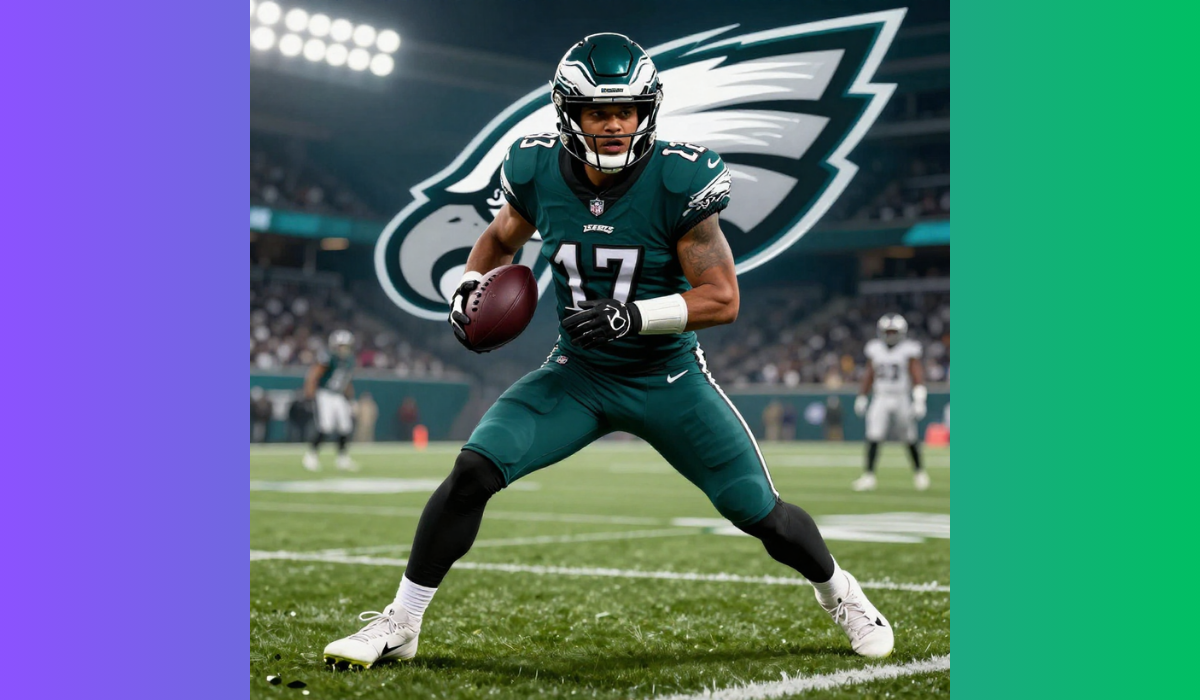
For the Philadelphia Eagles and general manager Howie Roseman, the offseason is a chessboard. Every move is calculated, from splashy veteran acquisitions to strategic draft-day trades. Amidst widespread discussion about potential veteran deals, the idea of an Eagles rookie trade attempt presents one of the most fascinating hypotheticals. While no concrete reports of trading a 2026 rookie exist, examining this possibility offers critical insight into the “always compete” philosophy that defines this franchise.
Understanding the Eagles’ Current Roster and Asset Landscape
To grasp why a rookie trade might be considered, it’s essential to understand the Eagles’ position heading into the 2026 offseason. The team is in a transitional phase, balancing a win-now core with the need to get younger and manage the salary cap. The Eagles are projected to have roughly $20.2 million in cap space, which limits their ability to be major players in free agency.
However, they possess valuable draft capital: nine total picks, including their own first-rounder (projected around 23rd overall) and an extra third-round selection from the New York Jets. This arsenal of picks gives Roseman the flexibility to maneuver.
Why Would the Eagles Consider Trading a Rookie?
The notion of trading a player shortly after drafting them seems counterintuitive. However, for a front office known for aggressive moves, several strategic motivations could make it plausible.
The Calculated Risks and Potential Rewards
Trading a rookie is a high-stakes gamble with a clear risk-reward profile.
The Risks:
- Public Perception & Locker Room Impact: It can confuse and frustrate a fanbase and potentially signal instability to players. As one analysis noted, it sends a message that “only results matter, not draft status,” which can create a tense environment.
- Missing on a Potential Star: The most glaring risk is that the traded rookie develops into a star elsewhere. The Eagles’ front office would face intense, long-lasting scrutiny.
- Damaged Draft Reputation: Consistently trading rookies could make agents and prospects wary of Philadelphia, potentially affecting their ability to build relationships with draft targets.
The Potential Rewards:
- Accelerated Contention: The primary reward is using an unknown commodity (the rookie) to acquire a known quantity that directly improves the team’s Super Bowl chances now.
- Asset Maximization: It turns a single draft pick into multiple future assets or a better positional fit, effectively “winning” the trade through shrewd asset management.
- Cap Flexibility: Rookie contracts are cheap, but trading one can be part of a larger cap-clearing move to accommodate a star player’s salary.
A Hypothetical 2026 Scenario
Imagine the Eagles use the 23rd overall pick on a talented but raw offensive tackle, a position of long-term need with veteran Lane Johnson nearing retirement. Then, an unforeseen opportunity arises: a young, prime-age pass rusher with a team-friendly contract becomes available via trade.
In this scenario, Roseman might not hesitate to package the newly-drafted tackle with a future mid-round pick to secure the pass rusher—a position the team is actively looking to address. The move sacrifices long-term line depth for an immediate, massive upgrade to the pass rush, a classic “win-now” calculation.
Frequently Asked Questions
Q1: What is an Eagles rookie trade attempt?
An Eagles rookie trade attempt refers to the Philadelphia Eagles potentially trading a recently drafted player in exchange for a veteran, higher draft pick, or other assets. While purely hypothetical for 2026, it reflects the front office’s aggressive and strategic approach to team building.
Q2: Why would the Eagles consider trading a rookie?
There are several strategic reasons, including addressing an immediate roster need, taking advantage of a top talent unexpectedly available, leveraging the rookie in a blockbuster trade, or converting a player selected with the “best player available” strategy into future assets.
Q3: What are the risks of trading a rookie?
The risks include potential fan backlash, confusing or upsetting the locker room, missing out on a rookie who could become a star, and damaging the Eagles’ reputation among agents and future draft prospects.
Q4: What are the potential rewards of trading a rookie?
Trading a rookie can accelerate contention by acquiring a proven player, maximize assets by turning one draft pick into multiple future resources, and provide financial flexibility to accommodate high-impact veterans.
Q5: Has the Eagles’ front office done this before?
While trading rookies is not common, Howie Roseman and the Eagles’ management are known for creative and unsentimental approaches to roster construction. This hypothetical scenario aligns with their aggressive philosophy.
Q6: How does this fit with the Eagles’ overall strategy?
Philadelphia is in a transitional phase, balancing a win-now core with long-term planning. Trading a rookie could be part of a broader strategy to remain competitive immediately while managing draft capital and salary cap effectively.
Conclusion: A Reflection of Roseman’s Ruthless Philosophy
While an Eagles rookie trade attempt in 2026 remains speculative, it is a scenario perfectly aligned with the front office’s identity. Howie Roseman has built a reputation on being aggressive, unsentimental, and creative with asset management. The team is in a “natural transition,” as Roseman himself stated, requiring tough sacrifices to stay atop the NFC.