

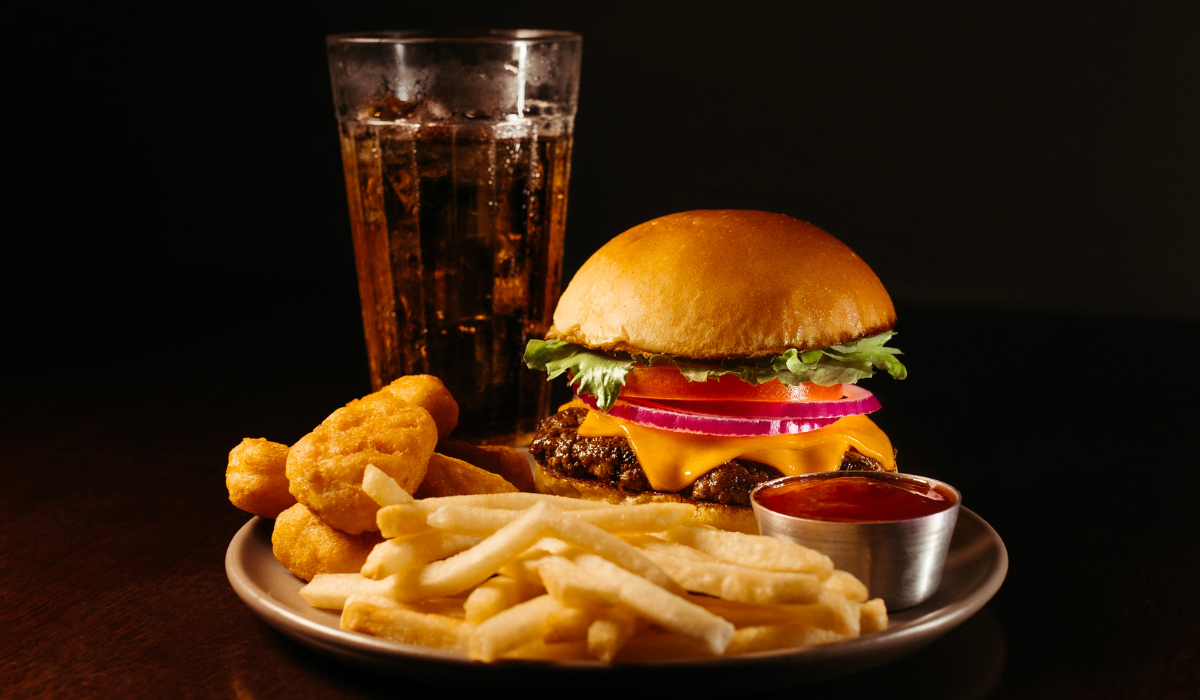
The relationship between Hollywood and fast food is a unique cultural exchange. For decades, filmmakers have used burgers, fries, and diner booths as powerful storytelling tools. Meanwhile, the images and scenes created in Tinseltown have shaped real-world cravings and dining trends. This article explores how fast food became a cinematic icon and provides actionable strategies for modern restaurants looking to tap into this enduring cultural phenomenon.
The Evolution of iconic Hollywood Fast Food
In Hollywood’s early days, food was often just a background prop. However, as American fast food culture expanded rapidly in the middle of the twentieth century, directors recognized its narrative potential. The diner or drive-in became visual shorthand for freedom, youth, and mobility, instantly telling audiences about a character’s social class or state of mind.
This symbolic language matured into a sophisticated storytelling device. Fast food settings—democratic spaces where anyone can sit—became ideal backdrops for pivotal conversations, character revelations, and authentic human moments. The contrast between a hurried drive-thru meal and a lingering coffee in a booth can reveal more than pages of dialogue.
Fictional Joints and Unforgettable Scenes
Some of Hollywood’s most iconic eateries exist only on screen, yet they feel as real as any neighborhood spot.
Legendary Fictional Establishments
These invented restaurants give filmmakers creative freedom to build worlds. From the beloved Krusty Krab in SpongeBob SquarePants to the nostalgic charm of Mystic Pizza, these settings often become characters themselves. They avoid dating a film with real-brand changes and can perfectly match a story’s tone, from gritty to absurd.
Scenes That Defined a Generation
Specific fast food moments have become embedded in pop culture.
The Frustrated Drive-Thru
In Lethal Weapon, Leo Getz’s rant about getting mistreated at the drive-thru perfectly captures a universal modern frustration.
The Laid-Back Craving
The Big Lebowski famously references In-N-Out Burger as The Dude and his friends plan for burgers, beers, and laughs.
Pizza as a Power Move
John Travolta’s Tony Manero carrying stacked pizza slices to the rhythm of “Stayin’ Alive” in Saturday Night Fever is an iconic display of effortless cool.
The Gourmet Cheeseburger
After his captivity in Iron Man, Tony Stark’s first request is an American cheeseburger, a simple food symbolizing comfort, normalcy, and home.
The Two-Way Street: How Hollywood and Fast Food Influence Each Other
The relationship between screen and society is reciprocal. Memorable scenes create real-world cravings, turning ordinary menu items into cultural obsessions. This influence extends to marketing, with brands often adopting the cool, rebellious, or nostalgic aesthetics seen in films.
Optimizing the Modern Hollywood-Style Restaurant for Search
For today’s restaurants, especially in competitive markets like Los Angeles, leveraging this cultural cachet requires a smart digital strategy built on current best practices.
Master Local Search and Google Business Profile
Local search optimization is essential. Restaurants must create and carefully maintain a complete Google Business Profile for each location.
Actionable Tip:
Ensure every detail is accurate, including hours, attributes such as outdoor seating or family-friendly options, menu links, and high-quality photos. Post regular updates about specials or events to keep the profile active and engaging.
Structure Content for Featured Snippets and Voice Search
With the rise of voice assistants and search snippets, clarity is essential.
Actionable Tip:
Use clear headers and concise sections. Answer common questions with bullet points or short paragraphs and optimize for conversational phrases such as where to find a classic Hollywood diner nearby.
Prioritize Mobile-First Design and Page Experience
Most searches now happen on mobile devices, and search engines rank based on mobile performance.
Actionable Tip:
Test site speed and usability. Ensure menus are readable without zooming, phone numbers support tap-to-call, and reservations or directions are easy to access.
Build Authority with Expertise and Local Trust Signals
Search engines favor content that demonstrates expertise, authority, and trust.
Actionable Tip:
Tell your story. Highlight chef backgrounds, share local press features, and encourage authentic customer reviews. For a Hollywood-themed restaurant, connecting your concept to film history strengthens credibility and emotional appeal.
FAQ’s
Q1: Why is fast food so common in Hollywood movies?
Fast food represents everyday life, making scenes feel relatable, authentic, and emotionally grounded.
Q2: How do movies influence real fast food trends?
Iconic film scenes often create cravings, turning simple foods into cultural and marketing phenomena.
Q3: Are fictional fast food restaurants important in films?
Yes, fictional eateries give filmmakers creative freedom and often become memorable characters themselves.
Q4: Can restaurants use Hollywood themes for marketing today?
Absolutely. Cinematic storytelling helps restaurants build nostalgia, brand identity, and customer loyalty.
Conclusion:
Iconic Hollywood fast food is more than a meal. It is shared cultural memory, deeply connected to modern life and storytelling.