

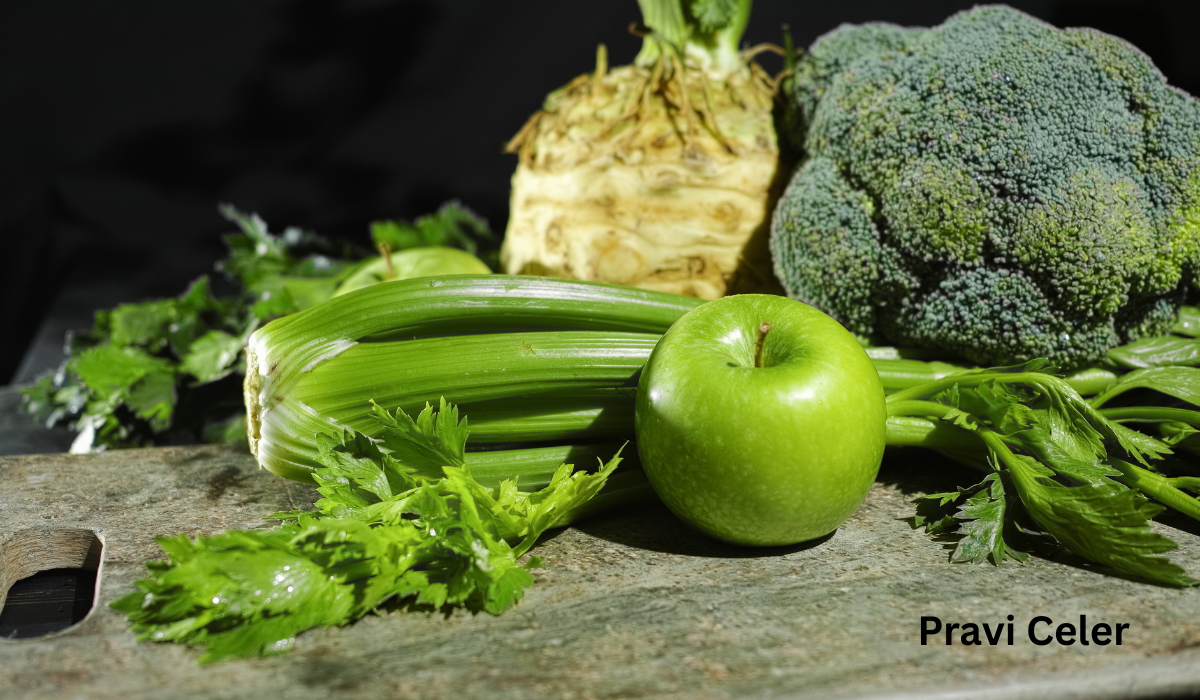
If you’ve ever searched for authentic Balkan recipes or explored a farmer’s market in Southeast Europe, you’ve likely encountered the term “Pravi Celer.” This phrase, translating directly to “real celery” or “true celery,” is the key to unlocking a world of robust flavor central to Serbian, Croatian, Bosnian, and regional cuisines. But what exactly is it, and how does it differ from the celery you know?
What is Pravi Celer? Unpacking the Name
In English, “Pravi Celer” refers to Celeriac or Celery Root. The name itself is a distinction made in Balkan languages:
- Pravi = Real, true, genuine.
- Celer = Celery.
This specific name is used to differentiate it from “Lisnati Celer” (leaf or stalk celery), the more common variety in global supermarkets known for its crisp green stalks. It is cultivated for its large, bulbous, knobby root, which has an intensely concentrated celery flavor with earthy, nutty, and parsley-like notes.
Botanical Profile
- Scientific Name: Apium graveolens var. rapaceum
- Common English Names: Celeriac, Celery Root, Turnip-Rooted Celery.
- Part Used: The Hypocotyl (a swollen stem-base, often mistaken for a root).
Culinary Uses: Why Pravi Celer is a Kitchen Staple
It is a cornerstone of flavor in its native region. Its versatility makes it indispensable.
1. The Essential Aromatic Base (Zaprška/Mirepoix)
In Balkan cooking, few soups, stews, or sauces begin without a zaprška—the sautéed base of aromatic vegetables. The classic trio is onions, carrots, and diced it. Its presence is non-negotiable for building the foundational, savory depth in dishes like:
- Čorbe (hearty soups)
- Podvarak (baked sauerkraut with meat)
- Gulaš (goulash)
- Various stews and sauces
2. Standalone Dishes and Sides
Beyond a background flavor.
- Salata od Celera (Celeriac Salad): Often served as a remoulade—thinly grated or julienned root mixed with a mustard-mayonnaise dressing.
- Pire od Celera (Mashed Celeriac): Boiled and mashed, sometimes mixed with potatoes or carrots for a lower-carb, flavorful alternative to standard mash.
- Baked or Roasted: Cubed and roasted with other root vegetables, where it caramelizes beautifully.
- Soups and Purées: Creamy celeriac soup is a winter favorite.
Pravi Celer vs. Stalk Celery: A Clear Comparison
| Feature | Pravi Celer (Celeriac/Celery Root) | Lisnati Celer (Stalk Celery) |
| Part Consumed | Swollen, round root-stem base. | Long, fibrous, green stalks and leaves. |
| Texture (Raw) | Dense, hard, similar to a turnip. | Crisp, juicy, stringy. |
| Texture (Cooked) | Becomes tender, creamy, and mashable. | Becomes soft but can remain fibrous. |
| Flavor Profile | Intensely concentrated celery flavor, with earthy, nutty, and parsley notes. | Milder, grassier, and more aqueous celery flavor. |
| Primary Culinary Role | Aromatic base, root vegetable for mashes, roasts, and salads. | Snack, salad ingredient, garnish, flavoring in stocks. |
| Appearance | Ugly/gnarled exterior (must be peeled), beige-white interior. | Neat bunches of green stalks with leaves. |
How to Select, Store, and Prepare Pravi Celer
Selection: Choose firm, heavy roots for their size. Avoid those with soft spots, cracks, or excessive budding/greening on top. Smaller roots (fist-sized) can be more tender.
Storage: Keep it in a cool, dark place or in the vegetable crisper drawer of your refrigerator, loosely wrapped in a plastic bag. It can last for several weeks.
Preparation (Key Step):
- Scrub the exterior thoroughly under running water to remove soil from the crevices.
- Peel aggressively with a sturdy vegetable peeler or knife to remove the tough, knobby skin.
- Prevent Browning: Once peeled and cut, immediately place pieces in a bowl of water acidulated with lemon juice or vinegar if not cooking right away.
Nutritional Profile and Health Benefits
Celeriac is a nutrient-dense, low-calorie vegetable. It is an excellent source of:
- Vitamin K: Crucial for bone health and blood clotting.
- Vitamin C: An antioxidant important for immune function.
- Phosphorus & Potassium: Essential minerals for heart and cellular health.
- Dietary Fiber: Promotes digestive health and satiety.
- Low Glycemic Index: Makes it a good choice for blood sugar management.
Frequently Asked Questions
Q: Can I substitute stalk celery for Pravi Celer in recipes?
A: For the aromatic base (zaprška), you can in a pinch, but the flavor will be milder and less earthy. For dishes where celeriac is the main ingredient (salads, mashes), there is no true substitute.
Q: Where can I buy celeriac outside the Balkans?
A: It is widely available in well-stocked supermarkets (often labeled “celery root”), organic grocers, and farmers’ markets in North America and Europe, especially in fall and winter.
Q: Do you use the leaves of Pravi Celer?
A: Yes! The leafy greens on top are edible and have a strong celery-parsley flavor. They make a great garnish or herb addition to soups and salads.
Q: What does “Pravi Celer” taste like?
A: Imagine the savory, herbaceous taste of celery stalks, but concentrated, with added depth from earthy, nutty, and slightly peppery notes. It’s more complex than common stalk celery.
Conclusion:
Pravi Celer is more than just a vegetable; it is the secret to authentic Balkan flavor. Understanding this ingredient—its robust taste, versatile applications, and cultural significance—opens the door to recreating traditional dishes with genuine depth. Whether you’re grating it into a tangy salata, dicing it for your soup base, or mashing it for a comforting side, this humble “true celery” root is a culinary powerhouse waiting to be discovered in your kitchen.