

Introduction
Nestled in the northern Spanish city of Zaragoza, the Centro Politécnicoa Superior (CPS) stands as one of Spain’s most distinguished engineering education centers. As the technical campus of the University of Zaragoza, CPS has earned a reputation for producing highly skilled engineers who go on to shape industries across Europe and beyond. This guide explores what makes this institution a standout choice for aspiring engineers and technology professionals.
History and Background
The story of Centro Politécnico Superior begins in 1974, when it was founded as the Escuela Técnica Superior de Ingenieros Industriales de Zaragoza (ETSIIZ). Initially focused on industrial engineering, the institution marked a strategic expansion for the University of Zaragoza, which had long excelled in traditional academic disciplines but recognized the growing need for specialized technical education to support regional industrial development.
Initially housed in the interfacultades building on the university’s San Francisco campus, the school relocated in 1986 to its current home in the ACTUR district. This move coincided with a broadening of the institution’s academic scope, adding computer engineering, telecommunications, and other modern disciplines to its portfolio. The name “Centro Politécnico Superior” reflects this expanded mission—serving as a comprehensive polytechnic center offering multiple engineering pathways.
Academic Programs
CPS offers a comprehensive range of engineering programs designed to meet evolving industry needs. The curriculum emphasizes both theoretical foundations and practical applications, ensuring graduates possess the knowledge and skills required to excel in competitive technical fields.
Undergraduate Degrees
CPS offers bachelor’s degrees across multiple engineering disciplines:
Industrial Engineering: The flagship program covering mechanical systems, thermodynamics, materials science, and production processes, preparing students for careers in manufacturing, energy, and industrial management.
Computer Engineering: Focused on software development, algorithms, database design, artificial intelligence, and cybersecurity, producing graduates ready for careers in technology companies and IT departments.
Telecommunications Engineering: Covering communications systems, signal processing, and network design, with applications in telecommunications, broadcasting, and the Internet of Things.
Electrical Engineering: Specializing in power systems, electronics, and control systems, preparing students for careers in energy generation, automation, and renewable energy technologies.
Mechanical Engineering: Focusing on machine design, manufacturing processes, and materials engineering, with hands-on experience in computer-aided design tools.
Master’s and Doctoral Programs
Beyond undergraduate education, CPS offers specialized master’s degrees in renewable energy, robotics and automation, biomedical engineering, and data science. Doctoral candidates work alongside faculty researchers on cutting-edge projects, contributing to scientific knowledge while developing expertise for careers in research institutions or corporate R&D departments.
All programs are fully accredited by the Spanish Ministry of Education and comply with European Higher Education Area standards, ensuring degrees are recognized throughout Europe.
Faculty Excellence
CPS has assembled an exceptional team of educators and researchers who combine academic credentials with real-world experience. Faculty members hold advanced degrees from prestigious institutions across Spain and internationally, and many maintain active connections with industry through consulting work or collaborative research projects.
This practical experience translates directly into the classroom, where professors share real-world examples and case studies that help students understand how theoretical concepts apply in actual engineering contexts. CPS maintains reasonable class sizes, allowing professors to know their students individually and provide personalized mentorship that extends beyond graduation.
Campus Facilities and Resources
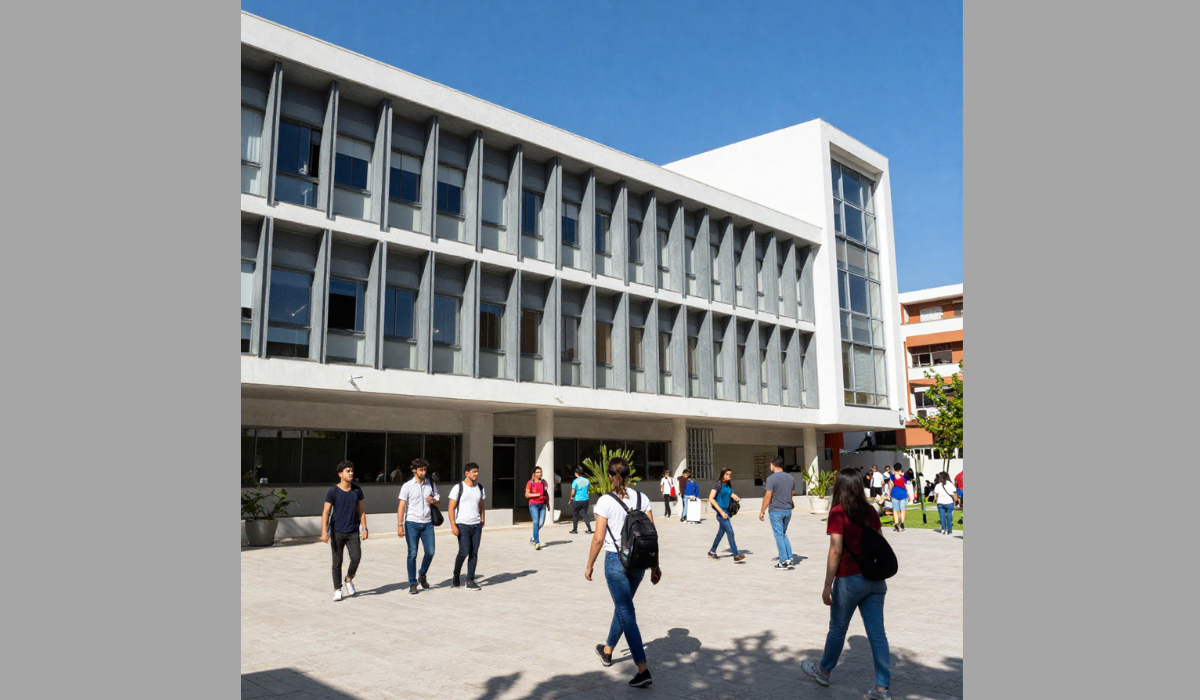
CPS occupies a modern campus designed specifically for engineering education. The facilities provide students with access to the tools and technologies they’ll encounter in professional practice.
Specialized laboratories include mechanical engineering labs with CNC machines and 3D printers, electronics laboratories with oscilloscopes and soldering stations, computer labs with industry-standard software, robotics labs with industrial robots and autonomous vehicles, and energy systems labs with solar panel arrays and wind turbine test stands.
The library houses extensive collections of engineering textbooks and technical journals, plus digital resources including online databases, e-books, and streaming instructional content. The campus network offers high-speed connectivity throughout, with wireless coverage ensuring students can work from anywhere.
CPS provides outdoor areas, student lounges, a cafeteria, and offices for student organizations where clubs and societies meet in addition to formal instructional facilities.
Internship Opportunities
CPS maintains strong relationships with hundreds of companies that provide internship opportunities for students. Partners range from local engineering firms to multinational corporations with operations in the Zaragoza region, including automotive manufacturers, energy companies, technology firms, and engineering consultancies.
Most engineering programs include required internships, typically completed during summers or as dedicated internship semesters lasting three to six months. The career center assists with placements, while faculty advisors monitor progress and assess outcomes. Internships frequently lead to job offers, with many companies using these programs as extended interviews for permanent positions.
For students seeking global experience, CPS facilitates international internships through exchange programs and partnerships with companies abroad, funded through programs like Erasmus+.
Alumni Success and Industry Recognition
CPS graduates have gone on to distinguished careers across engineering, technology, business, and academia. Alumni work at automotive companies, energy utilities, telecommunications firms, and aerospace manufacturers. Some have launched successful technology ventures, while others have pursued academic careers, earning doctoral degrees and joining faculty at universities in Spain and internationally.
Employers consistently rate CPS graduates highly for their technical competence, problem-solving abilities, and professional skills. Most graduates find positions matching their qualifications within months of completing their studies.
Why Choose Centro Politécnico Superior?
CPS combines rigorous theoretical education with extensive practical experience. Students graduate with deep understanding of engineering fundamentals and the ability to apply that knowledge to real-world problems. Learning from professors who combine academic credentials with industry experience provides insights unavailable from purely academic instruction.
Modern laboratories and computing resources enable hands-on learning that reinforces theoretical concepts. Strong industry relationships create internship opportunities and facilitate job placements. Exchange programs and international partnerships prepare graduates for global careers.
Located in Zaragoza, a mid-sized Spanish city offering affordable cost of living, rich cultural heritage, and excellent transportation connections, CPS provides an environment where students can thrive both academically and personally. The supportive campus community and comprehensive student services ensure that students have the resources they need to succeed.
Frequently Asked Questions
What is Centro Politécnico Superior?
Centro Politécnico Superior (CPS) is the engineering and technical campus of the University of Zaragoza in Spain, founded in 1974. It offers bachelor’s, master’s, and doctoral programs across multiple engineering disciplines.
What programs does CPS offer?
CPS offers undergraduate degrees in industrial, computer, telecommunications, electrical, and mechanical engineering. Master’s programs include renewable energy, robotics, biomedical engineering, and data science.
Is CPS a public institution?
Yes, CPS is a public institution, part of the University of Zaragoza. Tuition is significantly lower than at private institutions while maintaining high academic standards.
What language are classes taught in?
Most undergraduate programs are taught in Spanish. Selected master’s programs are offered in English, particularly in fields with high international student interest.
Does CPS offer internships?
Yes, internships are integral to most CPS programs. The institution maintains partnerships with hundreds of companies, and the career center assists students in finding appropriate placements.
What career outcomes can graduates expect?
CPS graduates enjoy strong employment outcomes, with most finding positions in engineering firms, technology companies, manufacturers, utilities, and consultancies within months of graduation.
Where is CPS located?
CPS is located in Zaragoza, Spain, in the ACTUR district. Zaragoza is Spain’s fifth-largest city, located approximately halfway between Madrid and Barcelona.